
Last updated November 23, 2026
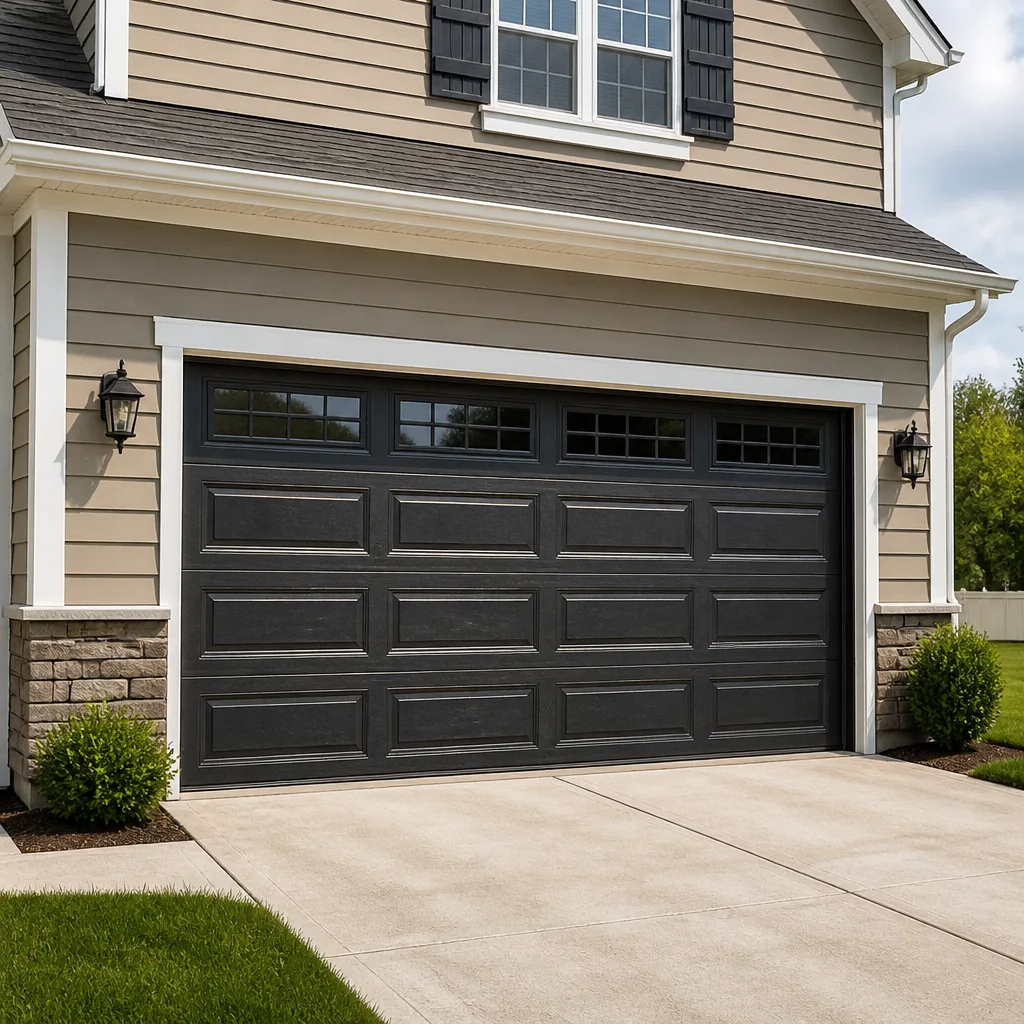 Raised-panel steel
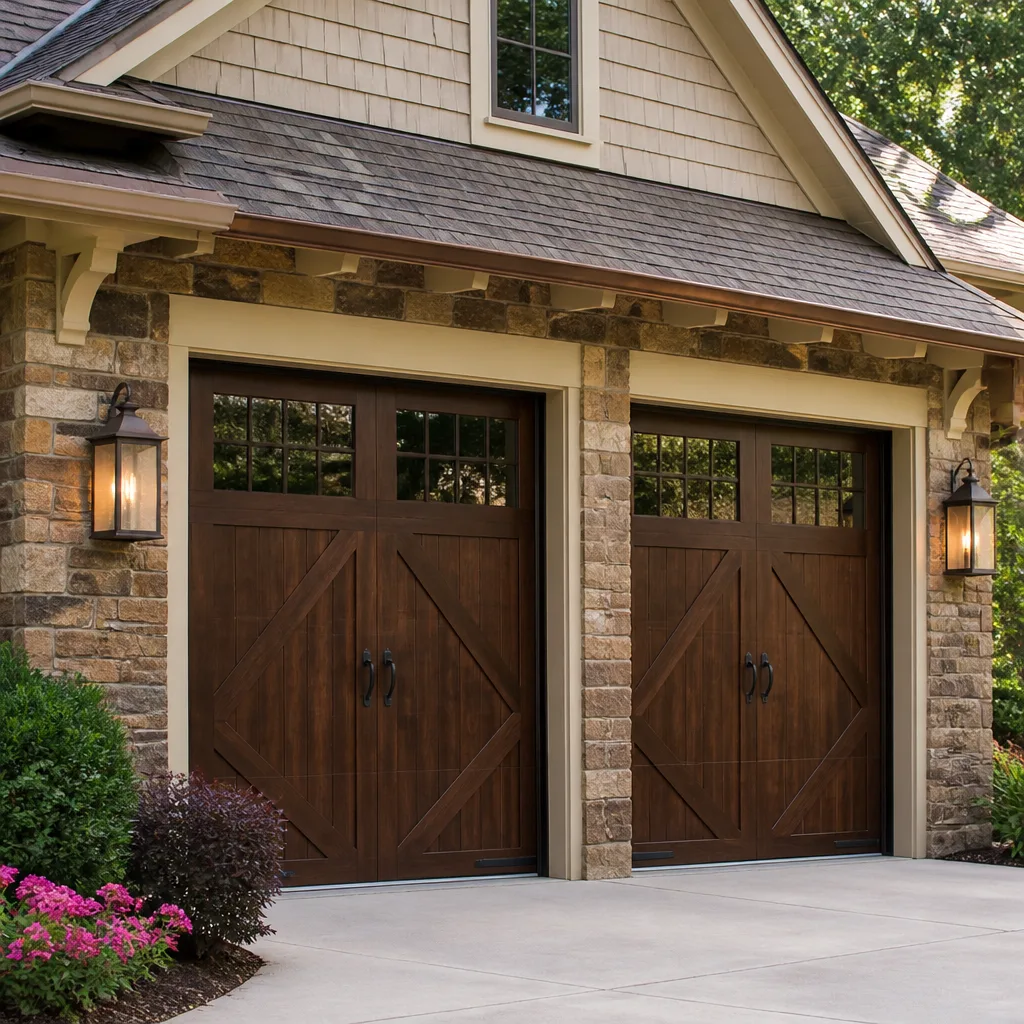 Carriage house
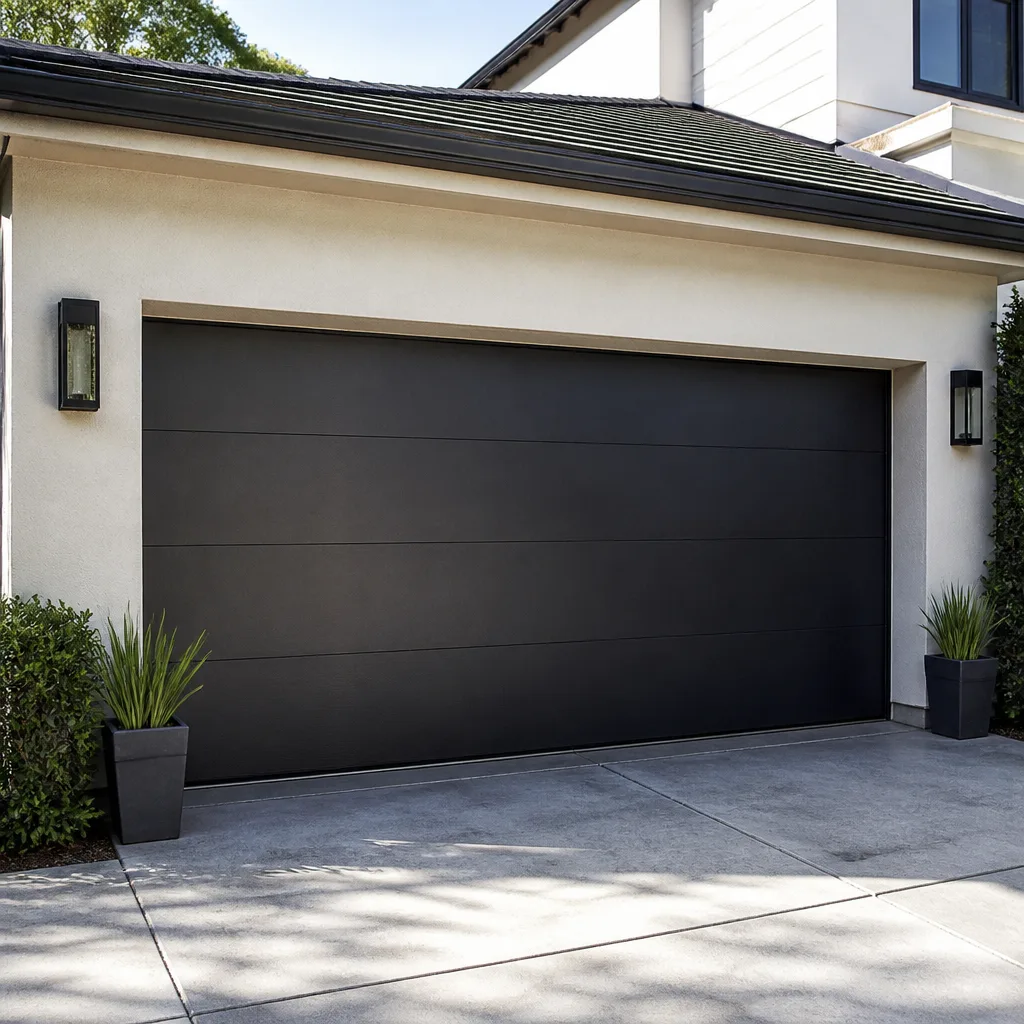 Modern flush
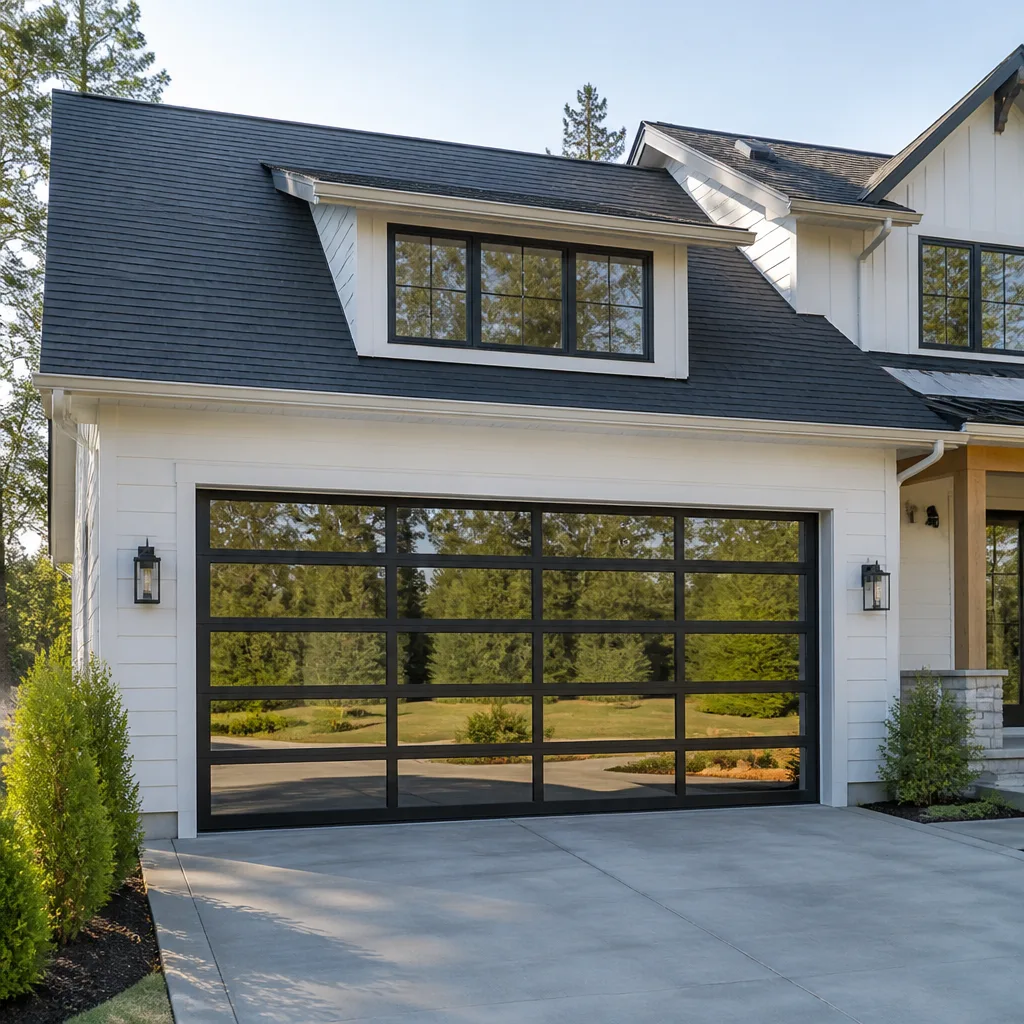 Full-view glass
 LiftMaster openers
 Chamberlain openers
Full 25-point door and opener safety check with every visit - springs, cables, rollers, tracks, and your LiftMaster or Chamberlain opener included
You get a price before we start. It does not change when the pro arrives.
Get your free estimateGarage Door Emergency Preparedness Guide for Aurora Homes
Most homeowners assume a garage door emergency starts with a loud bang. More often it starts with silence: the opener hums, nothing moves, and the house has no power. Here’s the part that surprises people. The door usually isn’t broken at all. It’s the release procedure nobody practiced that fails when it matters. In Aurora, where tornado warnings, multi-day outages and blizzard conditions are all part of a normal year, that gap between “I think I know how this works” and “I can do this in the dark” is worth closing before the next storm. This guide covers the manual release, how to secure a released door, what a broken spring in winter really looks like, battery backup openers, and who to call at 2 a.m.
Quick Answer
A garage door emergency in Aurora almost always comes down to three things: knowing how to use the manual release safely, knowing how to lock the door down afterward so it can’t be lifted from outside, and knowing when the problem is a spring, cable or opener failure that no homeowner should touch. Practice the release once in daylight, keep a padlock and a cordless drill with a socket bit where you can find them, and save a repair number in your phone before you need it. Springs, cables and the brackets that hold them under tension are the one part of a garage door system that genuinely injure people, so those get a trained technician, not a YouTube attempt.
Styles & brands we work with
- Raised-panel steel
- Carriage house
- Modern flush
- Full-view glass
- LiftMaster openers
- Chamberlain openers
Table of Contents
- How Do You Use a Manual Release on a Garage Door?
- Why the Manual Release Doesn’t Always Work
- How Do You Secure a Manually Released Door?
- What to Do When a Spring Breaks in Winter
- Do Battery Backup Openers Make Sense in Aurora?
- What to Do When the Door Won’t Move
- Who Do You Call at 2 a.m. in Aurora?
How Do You Use a Manual Release on a Garage Door?
The manual release is the red handle hanging from the trolley on your opener rail, and it’s the single most important part of your garage door you’ve probably never touched. It disconnects the door from the opener so you can lift it by hand. During the most recent extended power outage in the Aurora area, one of the most common calls to locksmiths and garage door companies came from homeowners who couldn’t get their cars out, not because anything was broken, but because they’d never used the release and couldn’t find it in the dark with a flashlight in their mouth.
Here’s the procedure. Practice it once, in daylight, with the door closed.
- Make sure no one is under the door. This is the first step every time, even when you’re in a hurry.
- Locate the red handle. It hangs from the rail above the door, usually two feet or so behind the opener housing. If you can’t see red, look for a cord or chain.
- Pull straight down and toward the door, then let go. You should hear a click. The door is now disconnected and can be lifted by hand from the bottom section.
- Lift with two hands, bent knees, evenly. A standard single-car door weighs well over a hundred pounds and a double door more. Lift from the center of the bottom panel, not one corner.
- Prop the door open with a clamp or vice grips on the track if you need to leave it up. Only do this if the door has functional springs. A door with a broken spring will not stay up on its own.
- To reconnect, close the door fully. Pull the release cord again to reset the trolley, then run the opener and let it catch.
If the door won’t stay up on its own when you lift it, stop. That’s a spring problem, and we’ll get to that in a moment. If it lifts and feels heavy or the panels bind, stop too. Something’s out of alignment, and forcing it can bend a panel or drop the door on you. Our garage door repair technicians walk Aurora homeowners through this over the phone all the time, and we’re happy to do it with you on the line.
Why the Manual Release Doesn’t Always Work
In our experience, the release fails cleanly in about the same number of ways every time. None are exotic. All are fixable, but only if you know what you’re looking at before you pull hard on a stuck cord.
- The trolley is jammed in the “engaged” position. The latch inside the trolley can bind, usually after a long idle period or from lack of lubrication on the rail. Pulling harder won’t help. Rock the door slightly by hand while pulling down on the cord.
- The cord is short or missing. Some installers trim the release cord short, or a previous owner removed the handle. If you can’t reach it comfortably with both feet flat on the floor, that’s a safety issue. It can be extended. It’s one of the simplest fixes we make in Aurora garages.
- The cord is caught on the rail bracket or a wire. Look up and trace the cord before you pull. If it’s tangled, work it free with a broom handle from a step stool, not from a ladder on a wet floor.
- The opener is on a chain drive with a bent rail or loose lag bolts. The trolley can bind against the rail. You’ll feel it catch. Don’t force it.
- You’re pulling at the wrong angle. The release needs a firm, angled pull, not just straight down. If you’re pulling and nothing clicks, try a slight angle toward the door.
If none of these work, the door is still stuck and the opener is still engaged. The person on the phone at a repair company needs to know what kind of opener you have before they arrive so the technician shows up with the right hardware. Our technicians are trained on LiftMaster, Chamberlain, Genie, Clopay, Amarr, Wayne Dalton, Craftsman and Raynor systems, so a quick look at the housing or the label on the back of the opener tells us a lot before we ever pull into the driveway. Check our garage door opener repair page if you want the details on what we can diagnose remotely.
How Do You Secure a Manually Released Door?
A disengaged garage door can be lifted from the outside with two fingers. That’s the part that catches people off guard. You got the car out, you closed the door by hand, and now the house is open from the alley or the driveway side. In Aurora this matters more than in most places, because garages here sit close to alleys and shared driveways where a passing car can see a lifted door in the middle of the night.
The good news: a standard residential door has a built-in place to lock it down. Look at the track on each side, just above the bottom roller. There’s usually a hole or slot there. Here’s the bracket and padlock approach we recommend:
- Close the door fully by hand and confirm the bottom seal sits flat on the concrete.
- Slide a heavy C-clamp or a purpose-made vise-grip over each vertical track, above a bottom roller, so the clamp sits against the roller bracket. Two clamps, one on each side, so the door can’t be lifted one corner at a time.
- Drill a padlock through the clamp handle (many C-clamps have a hole specifically for this) or through the bracket on the track, so the clamp can’t be loosened and removed.
- Alternatively, use a slide-lock or a bolt-through bracket across the two bottom panels if the door style allows it. Clopay and Amarr doors in particular often have a bracket location that works well for this.
- Re-check the door in the morning. Clamps can shift if the door settles.
What you don’t want: a rope, a bicycle lock through the handle, or a chair leaned against the inside. None of those stop a door from being lifted. If you want a permanent fix so you’re never rigging this in the dark again, an opener with a battery backup and a functioning manual release that re-engages cleanly is the better answer. That’s a conversation we’re glad to have. The team at Aurora Garage Door Repair Co covers this and every other part of your garage door system under one company, so you’re not juggling three different contractors who won’t talk to each other.
What to Do When a Spring Breaks in Winter
A spring breaking mid-lift is the emergency that most needs to be handled with your hands off the door. You’ll know it happened. There’s a bang from the garage that sounds like a gunshot, the door drops a foot or so and stops, and the opener either hums uselessly or trips out. If the door is stuck partially open in the middle of an Aurora blizzard, your first instinct is going to be to force it closed. Don’t.
Here’s what to do instead, in order:
- Step away and look before you touch. Check whether the door is hanging from a single cable, whether the panels are buckled, and whether the door is sagging on one side. A door hanging on one cable can drop without warning.
- Keep people and pets out of the garage until a technician has looked at it. The remaining spring is now under full load, and it’s not a DIY situation.
- Disconnect the opener if you can do it safely using the manual release. This stops the opener from trying to lift a door it can’t lift, which can burn out the motor and strip the gear.
- Do not try to lift, pry, clamp or prop a door with a broken spring. This is where people get hurt. The door’s weight is no longer counterbalanced.
- Weatherproof the opening. If the door is stuck open and it’s snowing or blowing ice, a tarp stapled or taped across the frame from the inside will keep most of the weather out and drop the wind load on the door. A tarp across the outside won’t hold. Use the inside.
- Call for service. Spring replacement is a two-spring job most of the time, and the door needs to be rebalanced after. See our garage door spring repair page for what a proper repair involves.
One thing worth knowing: garage door springs are rated by cycle count, not by years. A standard spring is rated for a set number of open-close cycles, and a family that leaves and returns several times a day will wear out a spring far sooner than a household that doesn’t. High-cycle springs cost more upfront and last considerably longer. When a technician quotes your repair, ask which rating you’re getting. Our technicians have up to 13 years of experience with high-tension spring work, and we’ll walk you through the trade-off plainly.
Do Battery Backup Openers Make Sense in Aurora?
Yes, for most Aurora households, a battery backup opener is one of the higher-value upgrades you can make to a garage door system. It’s also the least dramatic one. It doesn’t prevent outages. What it does is let your door open and close a normal number of times during an outage so you’re not rigging a manual release in the dark at 11 p.m. with a foot of snow coming down.
Compatibility is straightforward: any garage door that currently has a modern belt-drive or chain-drive opener can be fitted with a battery backup unit, either as an add-on battery pack on compatible models or as a replacement opener that has one built in. LiftMaster and Chamberlain both make openers with battery backup built in, and a good number of the units we see in Aurora garages are already set up for it. If you have a Genie unit, there are add-on battery backup kits as well. The door itself needs to be balanced for the backup to help. A door with a tired spring will still fight the opener, backup battery or not.
What they cost: battery backup add-on packs are typically in the range of $150 to $300 installed, and a new opener with backup built in typically runs $500 to $900 installed, depending on the opener, the door size and whether the rail and wiring need any work. Those are typical estimates, not quotes. The number on the paperwork is the number that matters, and we set that with a written estimate after we’ve seen your setup. Runtime during an outage varies with battery condition and how often you open the door, but most homeowners get several days of normal use out of a fresh battery.
What it won’t do: a battery backup will not get you out of the garage if the opener itself is what failed. That’s still a manual release situation. And it won’t help if the door is off its track or has a broken spring. The backup is for outages. For everything else, it’s a real repair. Call (877) 492-4066 if you want to know what’s compatible with what you have. We answer 24/7. Fast dispatch from 7am to 7pm, Sunday through Friday.
What to Do When the Door Won’t Move
Before you call anyone, spend two minutes doing a quick walk-around. The information you gather saves time on the phone and lets the technician arrive ready rather than assess on arrival. Here’s what matters:
- Is the opener responding? Does it hum but not move? Does the light come on and nothing else? Is it completely dead? Each of those points to a different fault.
- Is there power to the garage? Check the opener’s light and the wall button. If the whole house is dark, the problem isn’t the door.
- Look at the springs. Are both springs intact? Is a spring hanging loose or has it separated? Take a photo of what you see, from a safe distance, without reaching up near the spring.
- Look at the cables. Are they on both drums at the top corners? A cable hanging slack means the door isn’t safe to operate.
- Check the tracks for a visible obstruction. A toy, a broom handle, a piece of ice at the threshold. A door that hits an obstruction will reverse and stop.
- Check the photo-eye sensors. They sit a few inches off the floor on each side of the door opening. If either is misaligned or blocked, the door will not close and the opener will flash. This is one of the most common service calls and one of the easiest to sort out.
Once you’ve done that, you know which category you’re in: power, opener, spring or cable, obstruction or sensor. That’s the difference between a technician arriving with the right part and a second visit. Write it down or take photos and have them ready.
Who Do You Call at 2 a.m. in Aurora?
You call a repair company whose phone is answered by a person, and you tell them three things. That’s it. You don’t need to diagnose the problem. You need to describe what happened and how urgent it is.
The three things to have ready:
- The address and the door type. Single or double, sectional or one-piece, attached or detached. If you know the brand on the opener, even better.
- What the door is doing right now. Is it open, closed, or stuck halfway? Is the car inside the garage or outside? This determines how the job is scheduled.
- What you’ve already checked. Power, sensors, obstructions, release cord. If you haven’t checked anything, say so. That’s fine, and it’s often the fastest answer.
One honest thing to say here: we don’t have crews on the road at 2 a.m., and no one should tell you they do. Our phones are answered 24/7. A call outside dispatch hours is booked into the next opening, Sunday through Friday, 7am to 7pm. In a real emergency, that’s how fast a trained technician can be at your door. If the door is stuck open and the weather is coming in, use the tarp-and-inside-the-frame approach above, secure the door with the clamp method, and get on the phone so you’re on the next opening. Save (877) 492-4066 in your phone now, before you need it.
Common Mistakes to Avoid
- Pulling the release cord without holding the door. A door with weak springs will drop hard and fast. If the door doesn’t lift easily by hand, don’t release it. Call for repair instead.
- Prop the door open with a ladder or a shovel. Neither will stop a door from falling. Use a proper clamp on the track, and only on a door with functioning springs.
- Lifting a door by the corner of one panel. This bends panels and twists tracks. Always lift from the center of the bottom panel with two hands, if the door is safe to lift at all.
- Assuming the opener is broken when a sensor is blocked. The photo-eye sensors are the single most common cause of a door that won’t close. Get on your knees with a flashlight before you call. Sometimes a spiderweb is the whole problem.
- Letting the opener keep running against a stuck door. The motor will overheat, and the gear will fail. Disconnect the door with the release and stop running the opener once you know something’s wrong.
- Trying to fix a broken spring yourself. Garage door springs, cables and the brackets that hold them operate under extreme tension and can cause serious injury when handled by someone who isn’t trained. Our technicians are experienced with this specific work, and it’s the part of the job we never cut corners on. Your safety is the reason.
- Not practicing the release procedure before an outage. The most common Aurora mistake we see is someone who’s never touched the release, standing in the dark garage with the car inside and a storm outside, reading the manual on a phone with 4% battery.
See the difference
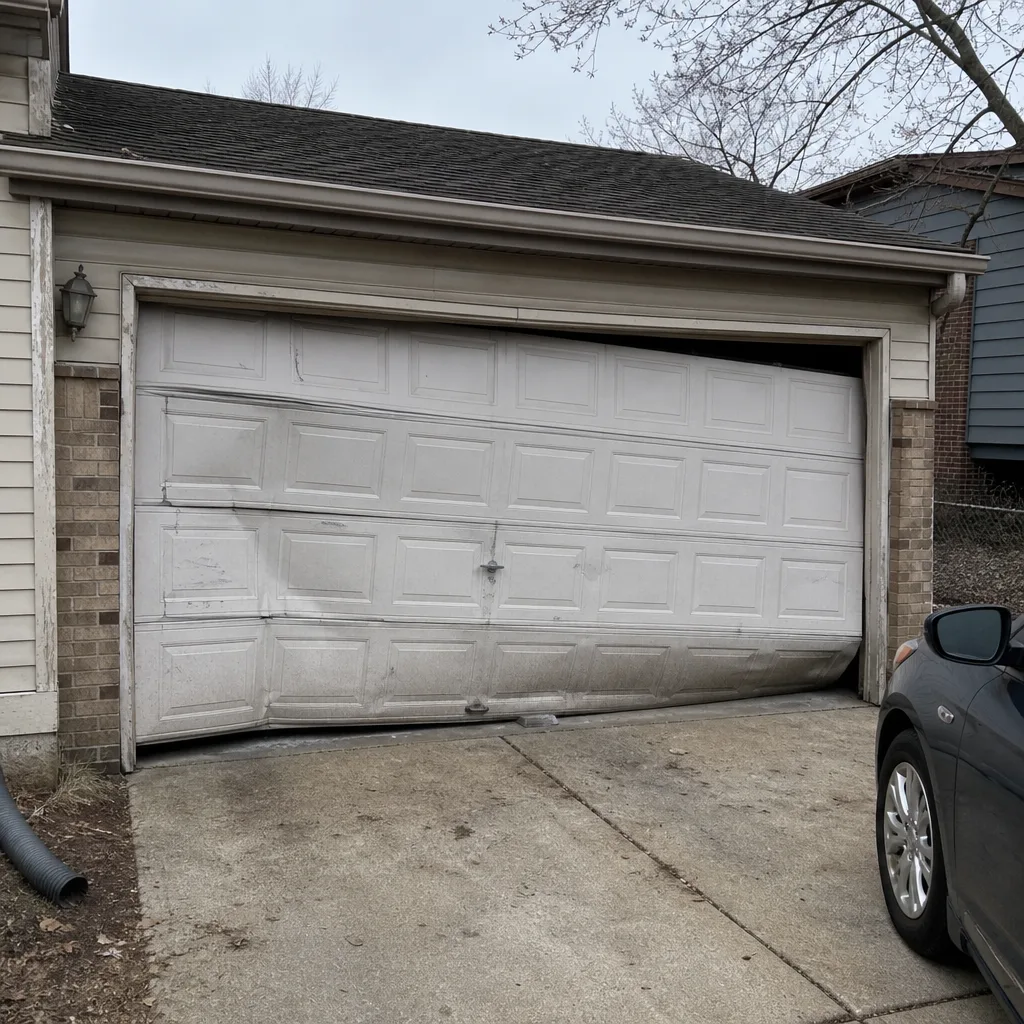 Before
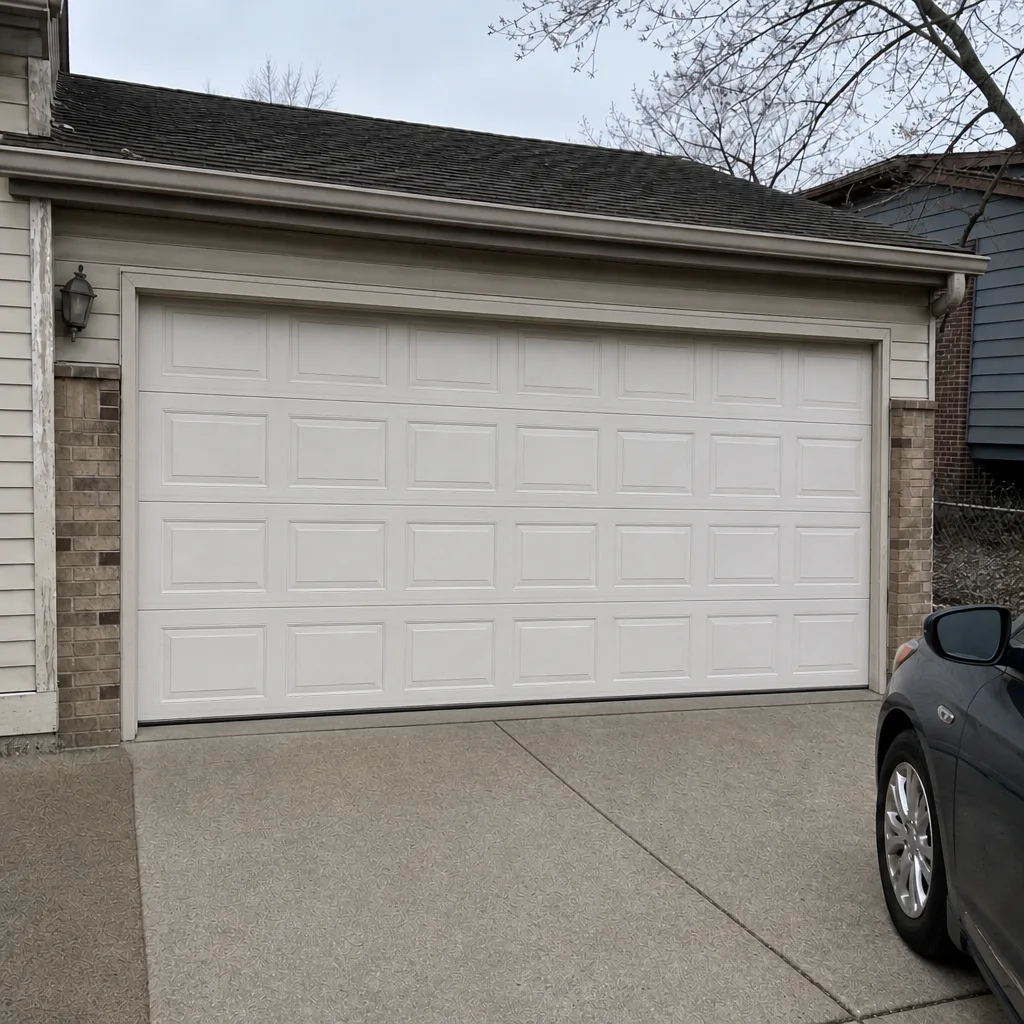 After
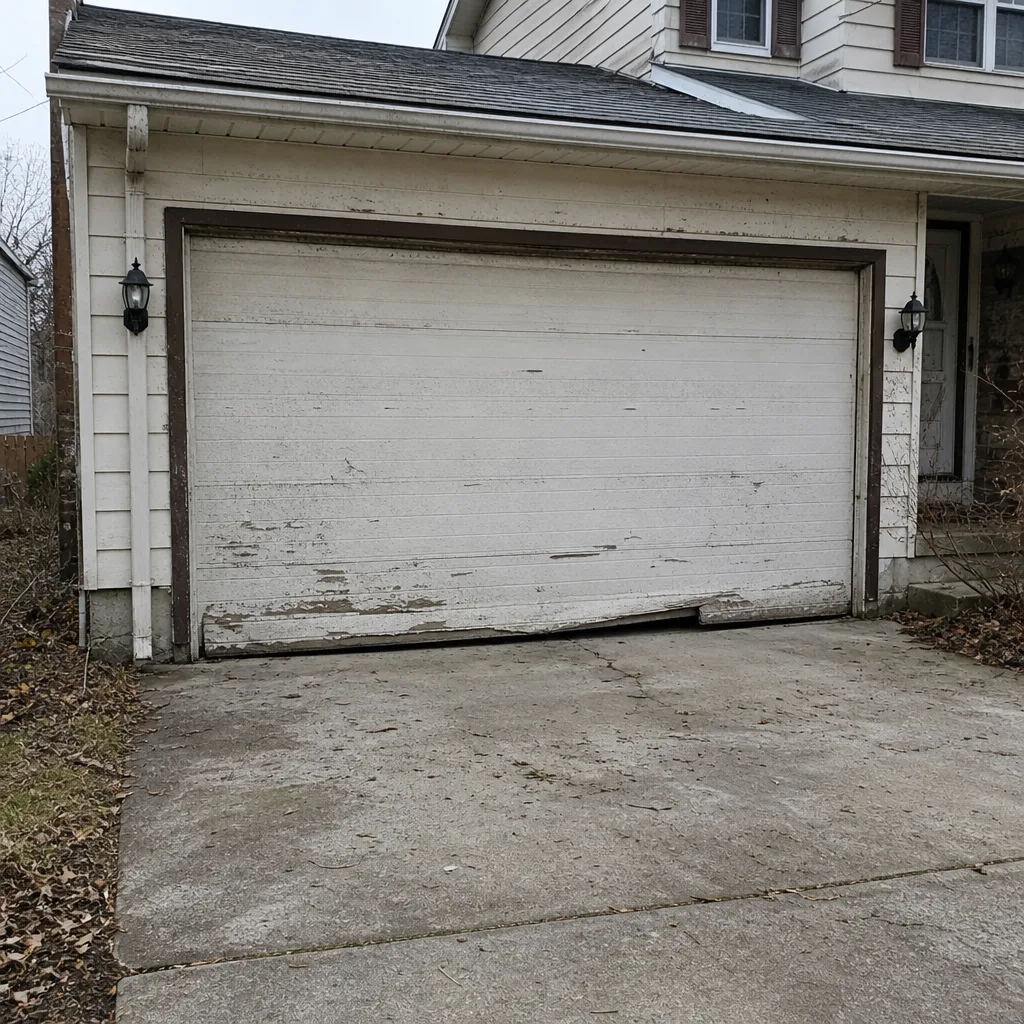 Before
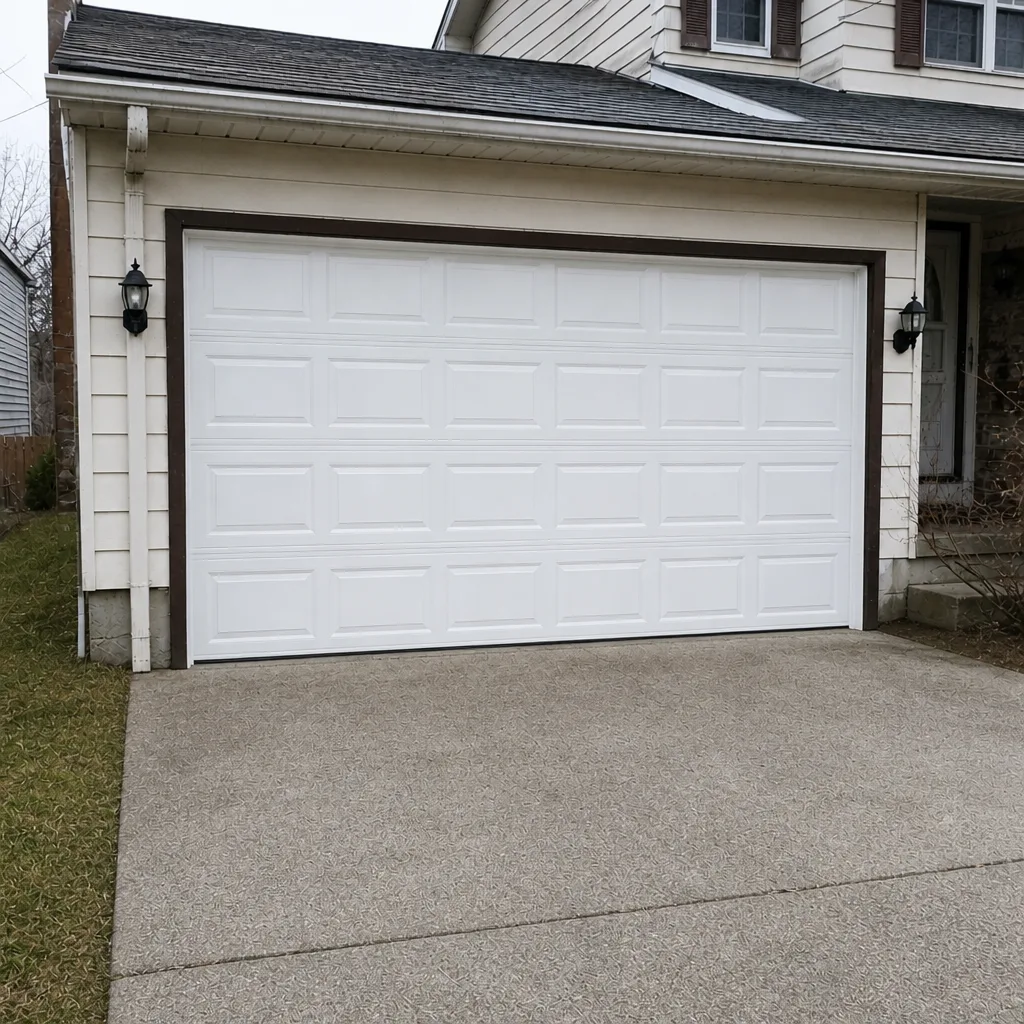 After
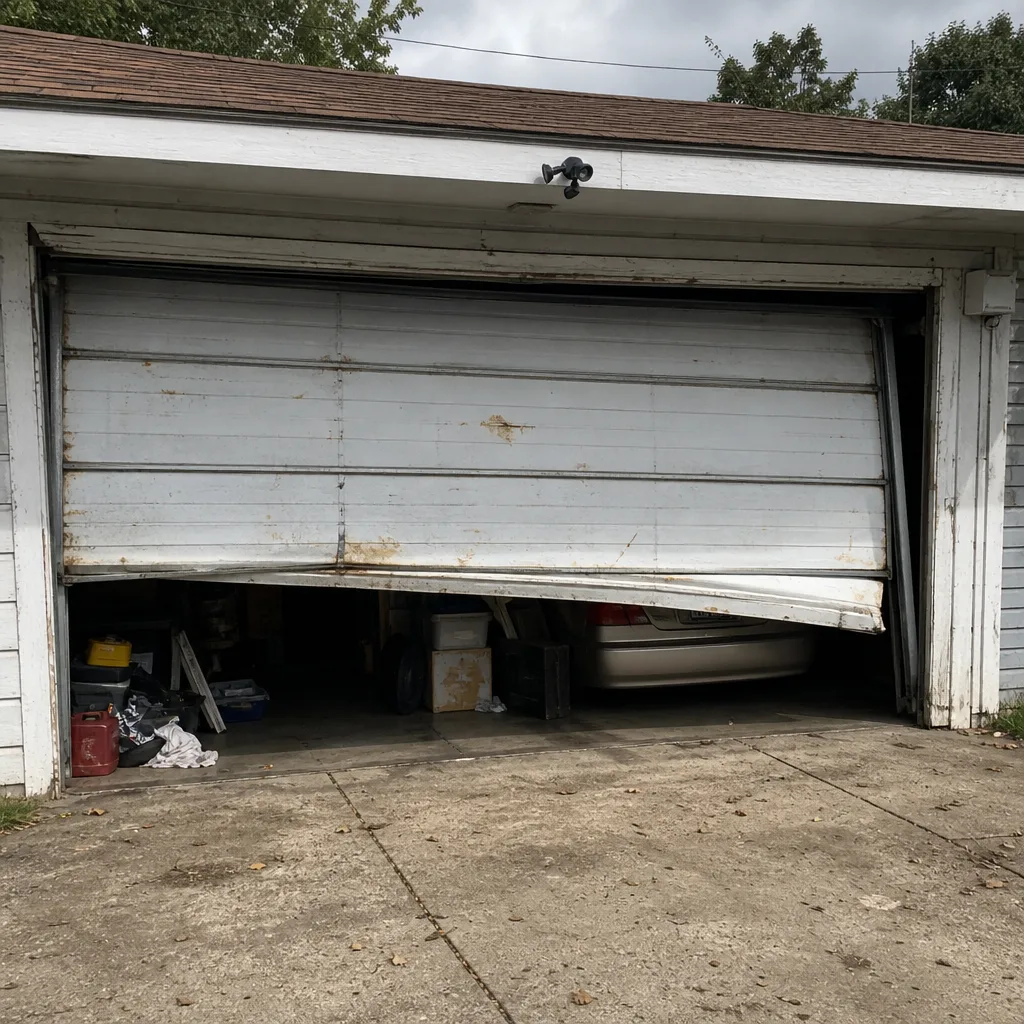 Before
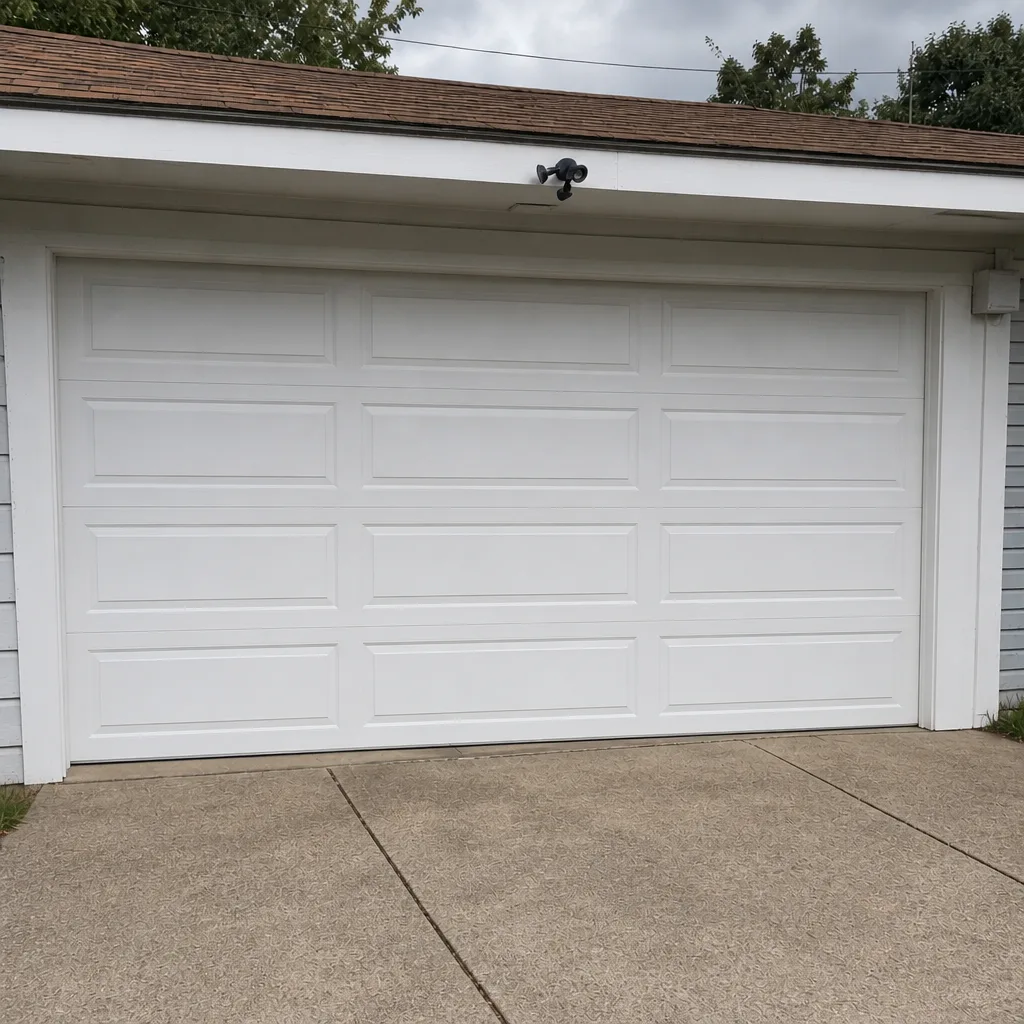 After
When to Call a Professional
Call a professional any time the problem involves a spring, a cable, a bracket holding either one, or the door itself coming off its track. Those are the jobs that can cause serious injury. Call us if the door is hanging on one side, if a spring has broken (even if the door still opens), if a cable is slack or off the drum, if the door is stuck open and the weather is coming in, if the opener runs but the door doesn’t move after you’ve confirmed the release isn’t the issue, or if you simply can’t get the door to move and there’s a car inside the garage. Aurora Garage Door Repair Co offers free estimates in Aurora. Call (877) 492-4066. We answer 24/7. Fast dispatch from 7am to 7pm, Sunday through Friday.
Frequently Asked Questions
Pull the red release handle straight down and slightly toward the door until you hear a click, then lift the door by hand from the center of the bottom panel. Practice it once in daylight with the door closed, before you ever need it in a storm. If the door won’t lift easily or won’t stay up, stop and call a repair company.
Keep everyone out of the garage, disconnect the opener if you can do it safely, and don’t try to lift or prop the door. A door with a broken spring has no counterbalance and can fall without warning. Weatherproof the opening from the inside with a tarp, then call a repair company. Spring work is high-tension, and it’s a professional’s job.
Yes. A battery backup opener lets you open and close the door a normal number of times during an outage, which usually covers several days with a fresh battery. Most modern belt-drive and chain-drive openers are compatible, either with an add-on battery pack or as a replacement opener with backup built in. Typical installed cost is $150 to $300 for an add-on kit and $500 to $900 for a new opener, per written estimate.
Clamp the vertical track on each side above a bottom roller with a heavy C-clamp or vise-grips, then run a padlock through the clamp handle or the bracket on the track. Two clamps, one on each side, so the door can’t be lifted corner by corner. A rope or a chair against the inside won’t stop anyone.
Yes, for repair calls in Aurora, same-day service is available when we have an opening on the schedule. Call (877) 492-4066 for the current availability. We answer 24/7. A call outside dispatch hours is booked into the next opening, Sunday through Friday, 7am to 7pm. For a new door or a full replacement, we’ll schedule a measure and a written quote rather than promising same-day.
Your address, the door type (single or double, attached or detached, and the opener brand if you know it), what the door is doing right now, and what you’ve already checked. Have a photo ready if you can. That’s enough for us to book you into the next opening with the right technician, and it saves a second trip. Call (877) 492-4066. Estimates are free.
Will the price change once the technician sees the door?
No. We quote the job in writing before any work starts, and the written estimate is the price you pay. If we find something the estimate didn’t cover, we tell you and get your approval before we touch it. Nobody should get an invoice bigger than the quote.
Yes. The local professionals we connect you with are licensed and insured as the state of Illinois requires. Our technicians have up to 13 years of experience, and they’re trained on LiftMaster, Chamberlain, Genie, Clopay, Amarr, Wayne Dalton, Craftsman and Raynor systems, so they arrive already familiar with the hardware in your garage.
The Bottom Line
The most important garage door preparedness step in an Aurora home isn’t a purchase. It’s a rehearsal. Practice the manual release once in daylight, learn where the release hangs, and know how heavy the door really is. Keep two C-clamps and a padlock where you can find them in the dark. Save a repair number in your phone, and keep the three facts a technician needs ready: the address, the door type, and what the door is doing. Everything else – a broken spring, a snapped cable, a door off its track, an opener that won’t respond – is a job for someone trained to handle it, not a corner to cut at 2 a.m. in the snow.
Call (877) 492-4066 for a free estimate. We answer 24/7. Fast dispatch from 7am to 7pm, Sunday through Friday. We’re Aurora Garage Door Repair Co, and one call covers the full system.
Written by the team at Aurora Garage Door Repair Co.