
Last updated November 23, 2026
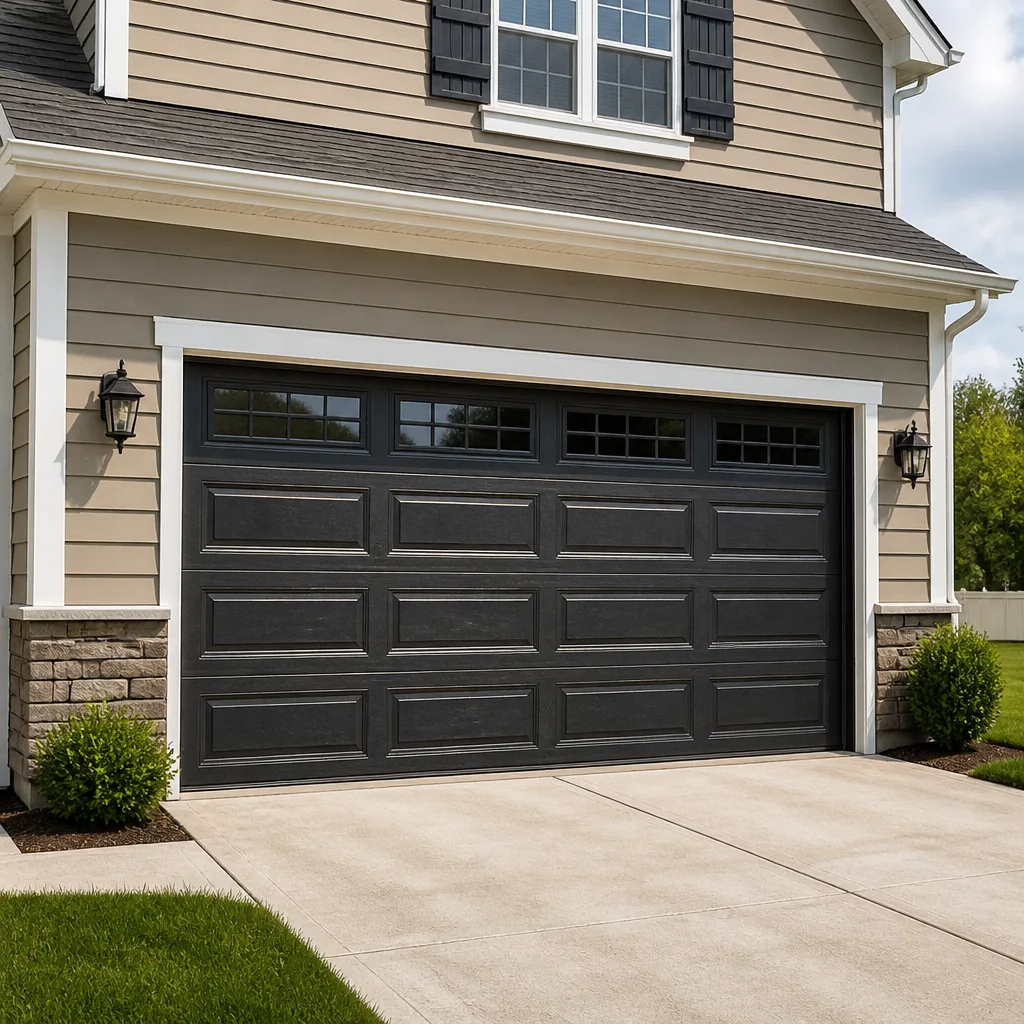 Raised-panel steel
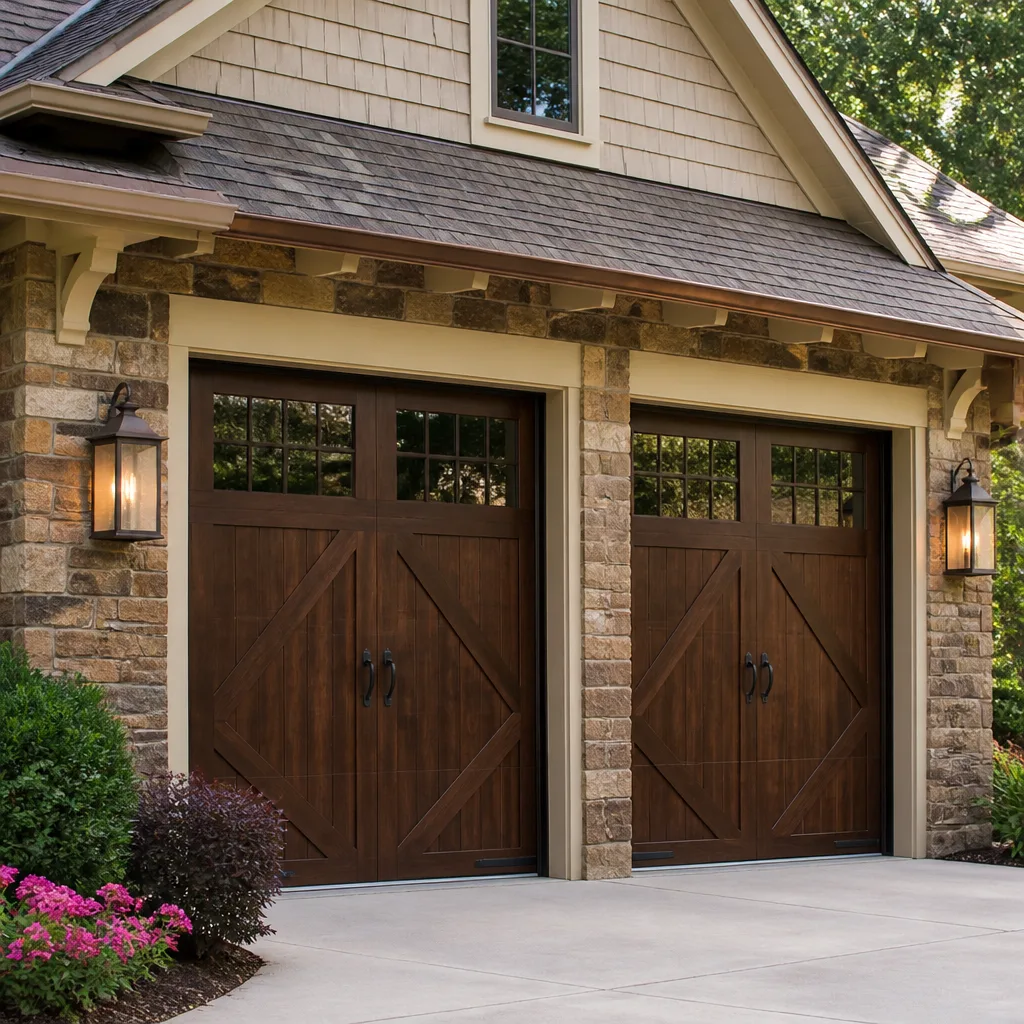 Carriage house
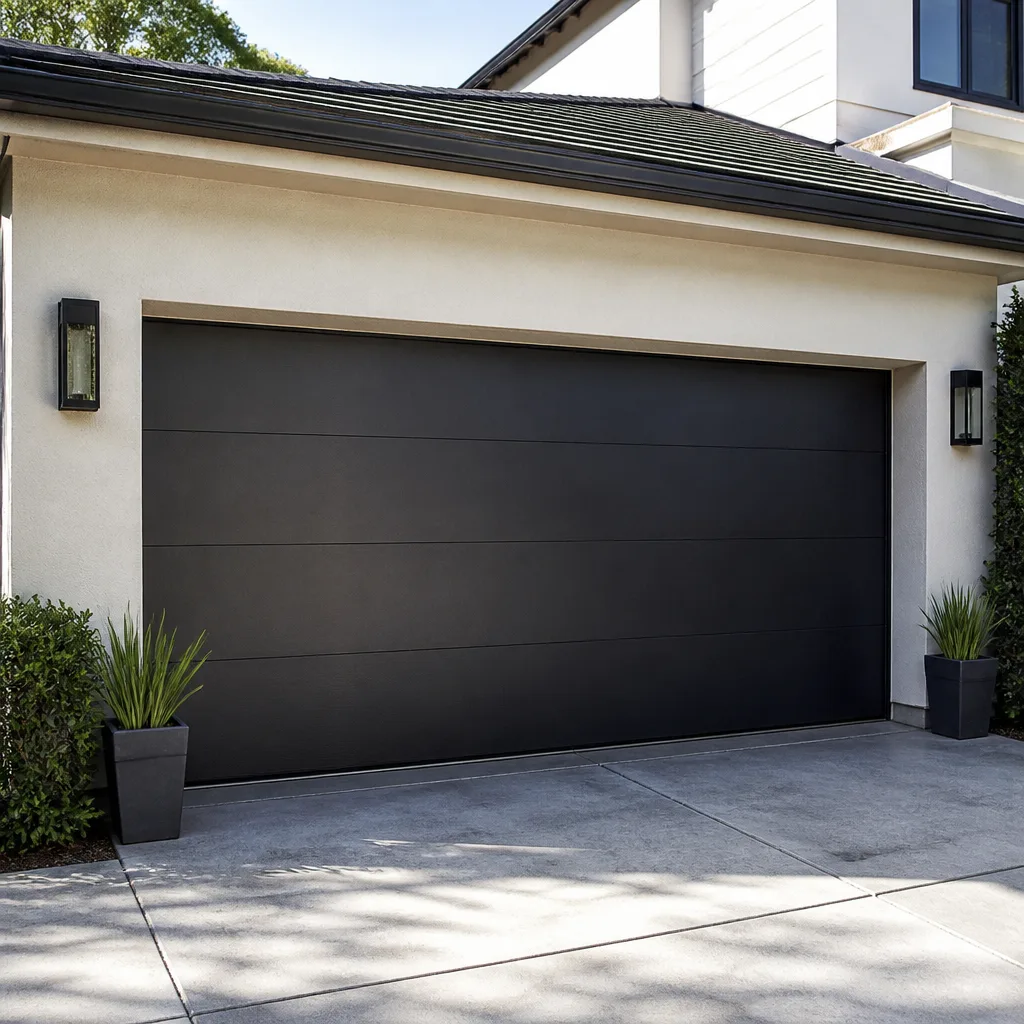 Modern flush
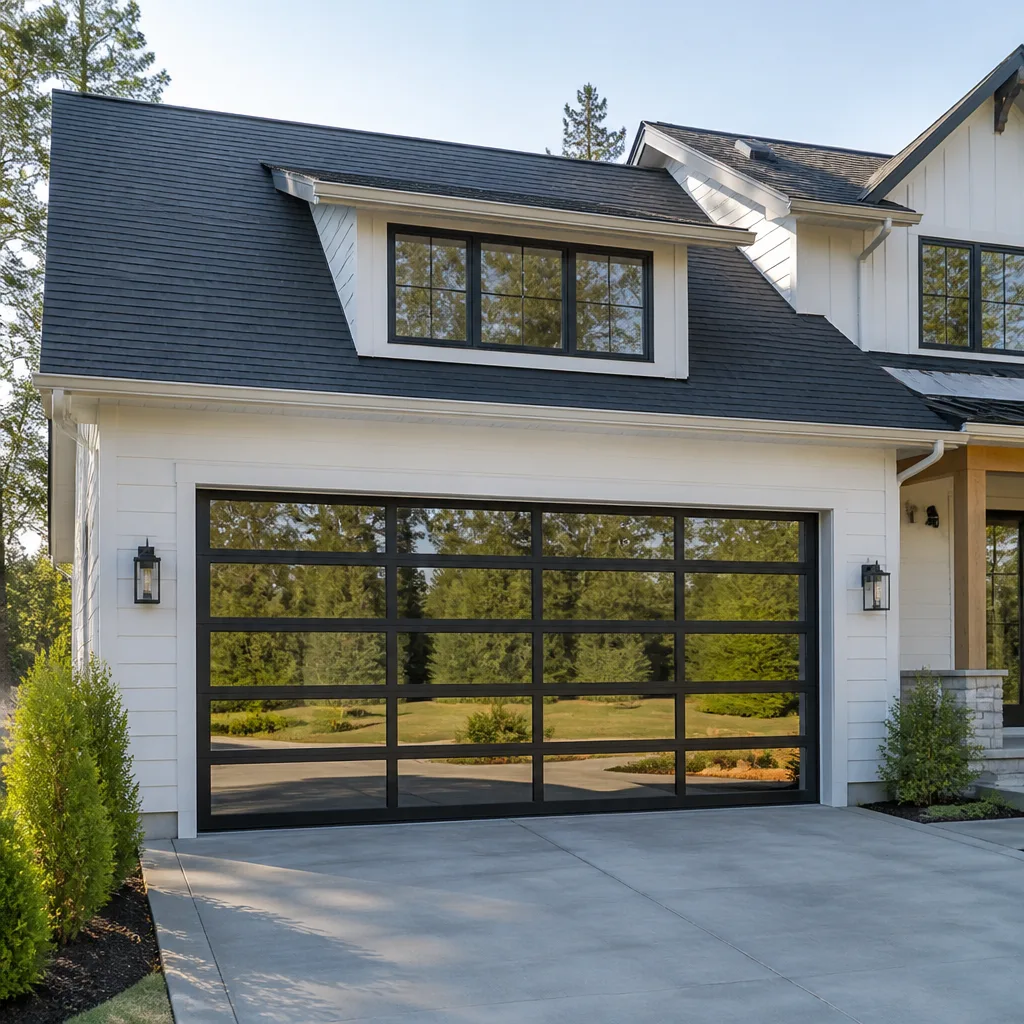 Full-view glass
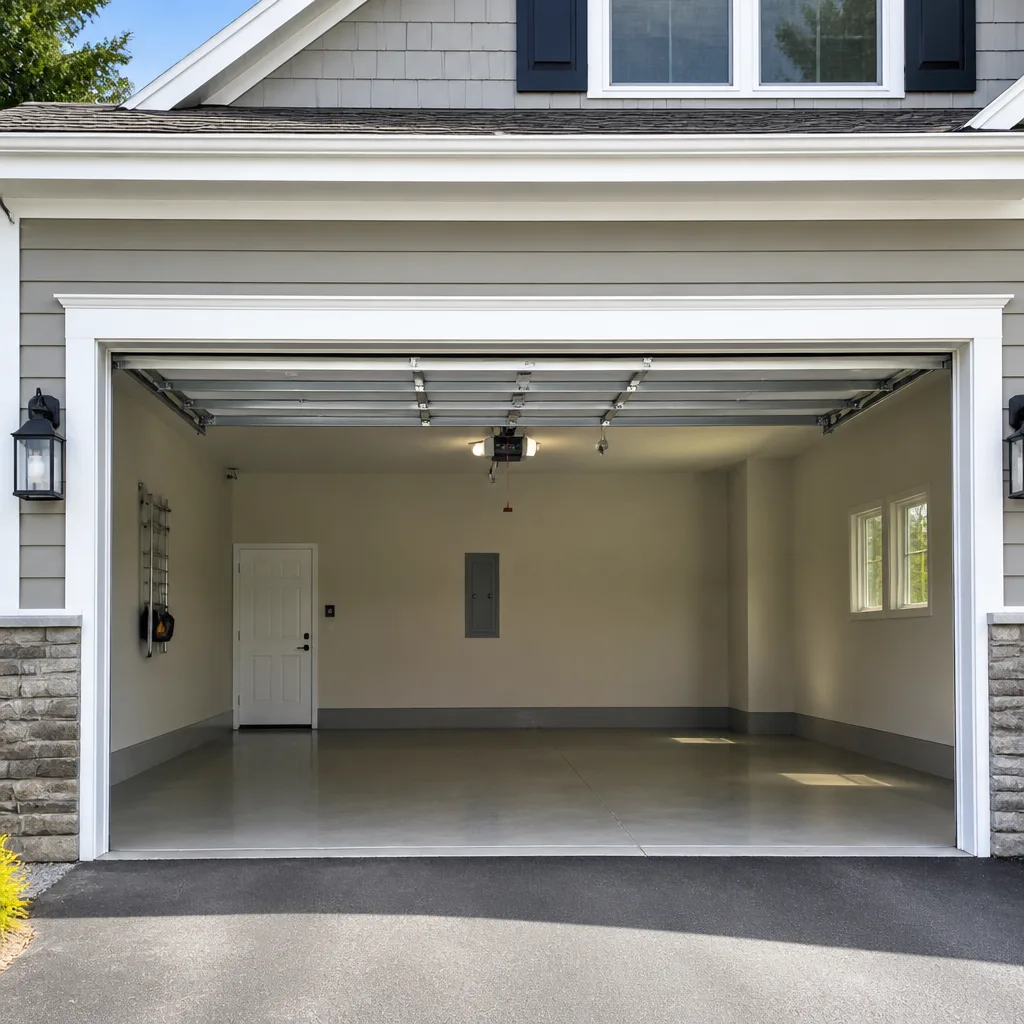 LiftMaster openers
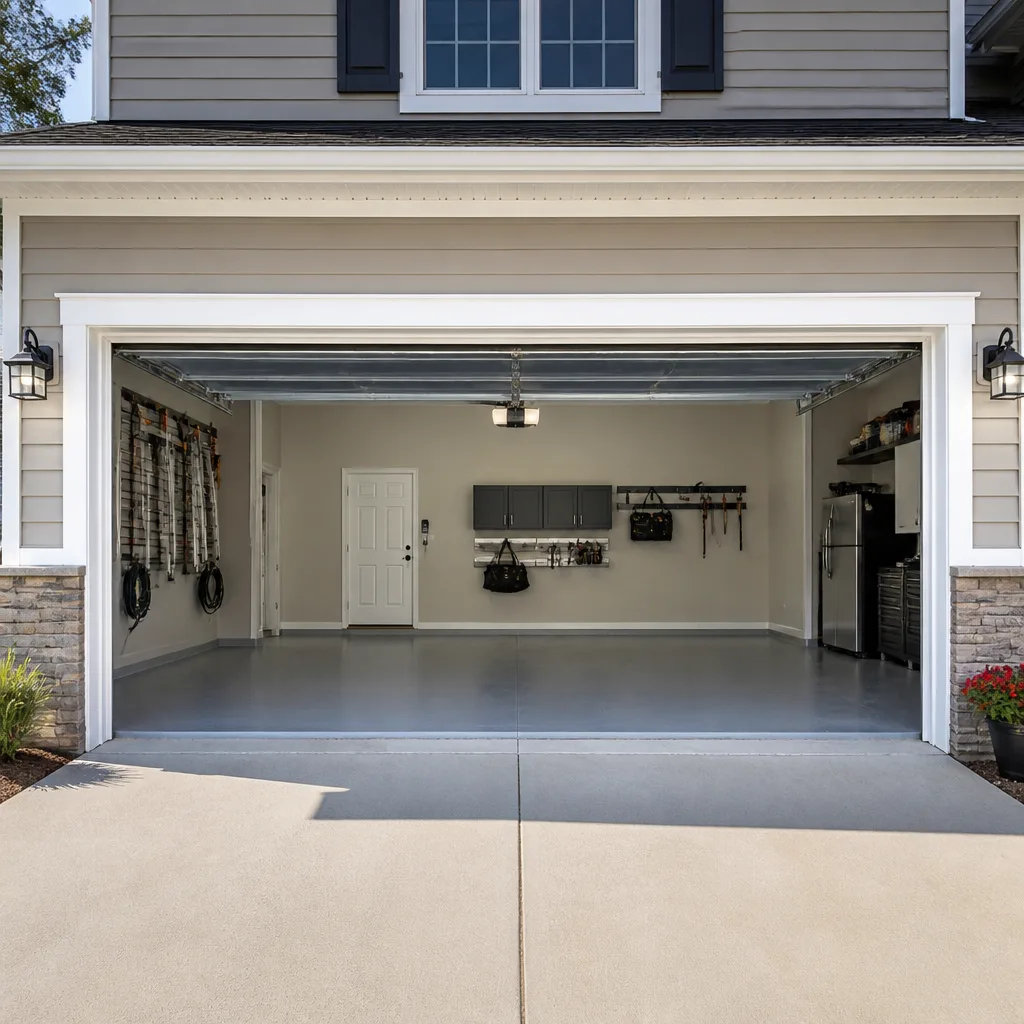 Chamberlain openers
Full 25-point door and opener safety check with every visit - springs, cables, rollers, tracks, and your LiftMaster or Chamberlain opener included
You get a price before we start. It does not change when the pro arrives.
Get your free estimateGarage Door Warning Signs: An Aurora Homeowner’s Reference Guide
A garage door that takes two button presses instead of one isn’t glitchy. It’s telling you something specific about your sensor alignment, your antenna, or your logic board, depending on which press fails and in what pattern. The same principle applies to that faint grinding you’ve been ignoring for a month and the spring that looks a little different than it did last spring. In our experience across Aurora, the doors that fail hardest are rarely the ones that gave no warning. They’re the ones that gave several warnings nobody translated. This guide is about translating them: which sounds point to which parts, which visual clues are safe to note from a distance, and which signals mean stop using the door today.
Quick Answer
The most common garage door warning signs are unusual noises (grinding, squealing, popping), a door that reverses before touching the floor, visible gaps or stretch marks on springs, frayed cables, worn rollers, and an opener that needs multiple presses or strains to lift the door. Any sign that involves a broken spring, a hanging cable, or a door that drops freely is an immediate stop-use situation. Most other signs allow you to keep using the door carefully while you schedule a repair.
Styles & brands we work with
- Raised-panel steel
- Carriage house
- Modern flush
- Full-view glass
- LiftMaster openers
- Chamberlain openers
Table of Contents
- Why the Two-Press Problem Deserves Attention
- Reverses for No Reason vs. Won’t Close All the Way: Two Different Problems
- How to Read the Noise: Grinding, Squealing, and Popping
- Visual Warning Signs You Can Spot Without Touching Anything
- The Balance Test: Is Your Opener Compensating for a Weak Spring?
- Signs That Mean Stop Using the Door Today
- Why Aurora’s Climate Puts Extra Wear on Your Door
- Signs You Can Note and Schedule
Why the Two-Press Problem Deserves Attention
When it takes two presses to open the door, the pattern of failure is the diagnosis. A door that ignores the first press entirely and responds to the second usually has a signal problem: the remote is transmitting but the receiver isn’t catching it cleanly. That often traces to a weak remote battery, an antenna wire on the opener that’s been pushed aside or shortened, or interference from nearby devices. A door that starts to move on the first press and stops, then needs a second press to continue, is a different animal. That’s usually a logic board or travel-limit issue, where the opener is losing track of where the door should be.
There’s a third pattern worth knowing. If the door responds only when you’re close to it, your remote’s range has collapsed. That’s almost always the opener’s antenna or the remote itself, not the door. In Aurora homes with attached garages and thick walls, range problems are common and usually cheap to fix once the actual cause is identified. Left alone, a failing logic board or travel limit can eventually leave the door stuck halfway, which is a much bigger repair than the one you started with.
If your opener is showing any of these press patterns, a diagnostic visit is worth the call. Our garage door opener repair covers the full range, from LiftMaster and Chamberlain units to Genie and Craftsman models, so we’re working on familiar hardware rather than guessing.
Reverses for No Reason vs. Won’t Close All the Way: Two Different Problems
These two complaints sound similar on the phone and are completely different jobs in the garage. A door that reverses before it reaches the floor is usually reacting to a false obstruction signal. The safety sensors at the bottom of the tracks are either misaligned, dirty, or blocked by something small. A cobweb, a leaf, or a sensor knocked slightly out of line by a broom handle will do it. The other common cause is a force-limit setting that’s too sensitive, which makes the opener interpret normal resistance as an obstruction.
A door that closes partway and stops, without reversing, is usually fighting something mechanical. The track may be bent or out of alignment, a roller may be seized, or the door may be binding on one side. This is the category where you want to pay attention to whether the door is level as it descends. A door that dips on one side is telling you the problem is on that side.
Here’s how to tell them apart at the door:
- Watch the door as it closes. If it reverses and returns fully open, it’s likely a sensor or force-limit issue.
- If it stops partway and stays there, it’s likely a mechanical bind or travel-limit problem.
- Check whether the safety sensors’ indicator lights are both lit and steady. A blinking or dark light points to the sensor side.
- Listen for a change in motor sound as the door descends. A strain or slowdown points to binding.
Both problems are fixable, and neither requires you to touch the high-tension parts of the system. If the door is reversing repeatedly at the same point, our garage door repair team can trace it to the sensor, the force setting, or the track without guesswork.
How to Read the Noise: Grinding, Squealing, and Popping
Garage door noise is diagnostic data. The type of sound points to a different component, and the timing of the sound tells you whether the problem is in the opener or the door itself.
- Grinding usually comes from metal-on-metal contact: worn rollers, a dry or damaged torsion tube, or a track that’s out of alignment. Grinding that gets louder as the door rises often points to rollers or hinges. Grinding that’s constant regardless of door position often points to the opener’s gear or chain.
- Squealing is almost always a lubrication or friction issue. Dry hinges, dry rollers, or a torsion spring that’s lost its coating will squeal. Squealing is the least urgent of the three, but it accelerates wear on the parts making the noise.
- Popping deserves immediate attention. A single loud pop followed by the door refusing to lift usually means a torsion spring has broken. A rhythmic popping as the door moves can mean a cable is slipping or a drum is catching. Either way, this is a stop-and-call sound.
The timing matters too. A noise that happens at the same point in every cycle points to a specific worn spot. A noise that happens only on the way up versus only on the way down points to different load conditions on the spring system. Noting when the noise occurs gives a technician a head start before they even arrive.
Visual Warning Signs You Can Spot Without Touching Anything
You don’t need to touch a spring or a cable to see that it’s failing. The visual clues are there if you know what to look for, and looking is safe. Touching is not. Here’s what deterioration looks like at different stages, viewed from a distance with the door closed:
- Torsion springs: A healthy spring is a consistent coil. A spring with a visible gap in the coil is broken. A spring that looks stretched compared to its neighbor, or has a light rust bloom along the coils, is weakening. Paint that’s flaking off in strips along the spring is another early sign.
- Extension springs: Look for a stretch that’s uneven along the length, or a spring that hangs lower than the one beside it. Extension springs should have a safety cable running through them; if you can’t see one, that’s worth flagging.
- Cables: A healthy cable sits neatly in its drum. A cable with frayed strands, a kink, or a frayed section near the drum is failing. A cable that’s slack or draped is a stop-use condition.
- Rollers: Look at the roller wheels on the track. Flat spots, cracks, or a wheel that’s sitting crooked in the track all point to wear. Nylon rollers that have turned grey and rough are past their useful life.
- Panels and hinges: Dents, cracks at hinge points, and hinges that look bent rather than straight are worth noting. A bent hinge puts stress on the panel beside it.
In Aurora, the temperature swings between summer and winter put real stress on springs and cables. Metal contracts and expands, and a spring that’s already near the end of its life will show those visual signs sooner here than in a milder climate.
The Balance Test: Is Your Opener Compensating for a Weak Spring?
Here’s the test that tells you whether your opener is doing work that should belong to your springs. Close the door, pull the manual release cord to disconnect the opener, and lift the door by hand to about waist height. Then let go.
A properly balanced door should stay roughly where you left it, or drift slowly. If it falls quickly, your springs are weak. If it rises on its own, the springs are overpowered or the door is misadjusted. If you can barely lift it, the springs have failed or the door is binding. The amount of effort it takes to lift the door tells you how much strain your opener has been absorbing.
That matters because an opener that’s been compensating for a weak spring will eventually fail too. The motor and gear assembly aren’t rated to lift more than the door’s normal weight. When they’re doing the springs’ job, the wear accelerates on the opener and the springs both. This is one of the most common underlying causes we find behind opener failures: the opener didn’t fail on its own, it failed because it was doing extra work for months.
This is also the test that makes spring problems visible before they become failures. If the door doesn’t hold position, the springs need attention. Spring work is high-tension and genuinely dangerous to touch, which is why our garage door spring repair exists as its own dedicated service. We work on springs because they’re the most safety-critical part of the door system, and getting them right matters.
Signs That Mean Stop Using the Door Today
Some warning signs are schedule-and-watch. Others are stop-using-now. Here’s the list we go through with homeowners when they call:
- A broken torsion spring. If you’ve heard a loud pop and the door won’t lift, or you can see a gap in the spring coil, stop. The door is now unsupported and the opener can’t safely lift it.
- A hanging or slack cable. A cable that’s come off its drum or is draping can snap and cause serious injury. Don’t run the door.
- A door that drops freely. If the door falls when you release it, or drops the last foot, the springs or cables have failed.
- A door that’s come off one track. Running the opener on a door that’s off-track can bend panels and damage the opener.
- Repeated reversing at the same point with a visible obstruction. If you can see something in the track or under the door, don’t force it.
- A popping or snapping sound with any of the above. Stop and call.
None of these are DIY situations. Spring and cable work is the highest-risk part of the garage door system, and there’s no safe shortcut. A trained technician has the tools and the technique to do it without injury, and that’s not a job for a general handyman or a homeowner with a YouTube video.
If any of these apply to your door, call us. We answer 24/7. A call outside dispatch hours is booked into the next opening, Sunday through Friday, 7am to 7pm.
Why Aurora’s Climate Puts Extra Wear on Your Door
Garage doors in Aurora work harder than doors in a milder climate. The freeze-thaw cycle between December and March is the main culprit. Metal springs and cables expand in the summer heat and contract in the winter cold, and that repeated cycling fatigues them faster. Springs that would last years in a stable climate can show the visual signs of weakening sooner here.
The other local factor is the freeze. A door that’s been sitting against a frozen threshold all night will bind slightly on the first lift of the morning. That’s normal up to a point. But a door that binds every morning, or that needs a second press every winter morning, is telling you the balance has shifted. The same is true of tracks: a track that’s been knocked slightly out of alignment in summer can bind much more once the metal contracts in January.
That’s why we suggest a visual inspection twice a year in Aurora: once in late spring after the freeze-thaw cycle, and once in late fall before the first deep cold. Both checks are quick, and both are much cheaper than the repairs they prevent. If you’re not sure what you’re looking at, our team can walk you through the door system and point out what to watch.
We work on the brands already in Aurora garages, from Clopay and Amarr doors to Wayne Dalton and Genie openers. That means a technician arrives already familiar with the hardware, not learning it on your driveway.
Signs You Can Note and Schedule
Not every warning sign is an emergency. These signs mean the door is still usable, but a repair should be on your calendar:
- Occasional squealing or grinding that doesn’t worsen and doesn’t affect operation. Usually lubrication or a worn roller.
- A single press pattern problem where the door still opens reliably with a second press. Usually an opener diagnosis.
- Visual wear on rollers without a change in how the door moves. Worn rollers should be replaced before they damage the track.
- One reversing event that doesn’t repeat. Check the sensors for debris and watch for a repeat.
- A door that’s slightly louder than it was a year ago without other symptoms. This is a good time to book a tune-up and have the whole system checked.
Every repair we do starts with a written estimate and a price agreed before any work begins. That’s not a small detail. The written quote is the price, and we don’t start a job until you’ve agreed to it.
Common Mistakes to Avoid
- Ignoring a second press as a quirk. If your door needs two presses, the cause is identifiable and usually cheap to fix. Left alone, it becomes a stuck door in a worse moment. Don’t rationalize it away.
- Pulling the manual release while the door is under tension. The release cord is safe to pull only when the door is fully closed and the springs are intact. Pulling it on a door that’s already lost spring tension can let the door drop.
- Assuming a reverse is a sensor problem without checking. A reverse can also be a force-limit issue, and the fix is different. Check the sensor lights before you call, but don’t assume that’s the whole story.
- Spraying lubricant on a spring or cable. Lubricant on torsion springs or cables attracts dirt and can hide the visual signs of wear. Lubricate hinges and rollers, not the high-tension parts.
- Replacing one spring of a matched pair. Springs are matched and replaced as a pair. Replacing only one leaves uneven tension and shortens the life of both. Our quotes for spring work reflect the pair, not a single spring.
- Using a general handyman for spring or cable work. Spring and cable replacement is high-tension, and the risk is real. This is the one part of the door system that genuinely needs a specialist.
- Skipping the fall inspection because the door “seems fine.” In Aurora, most spring failures happen in the first cold snap. A fall check catches early wear before the freeze does.
See the difference
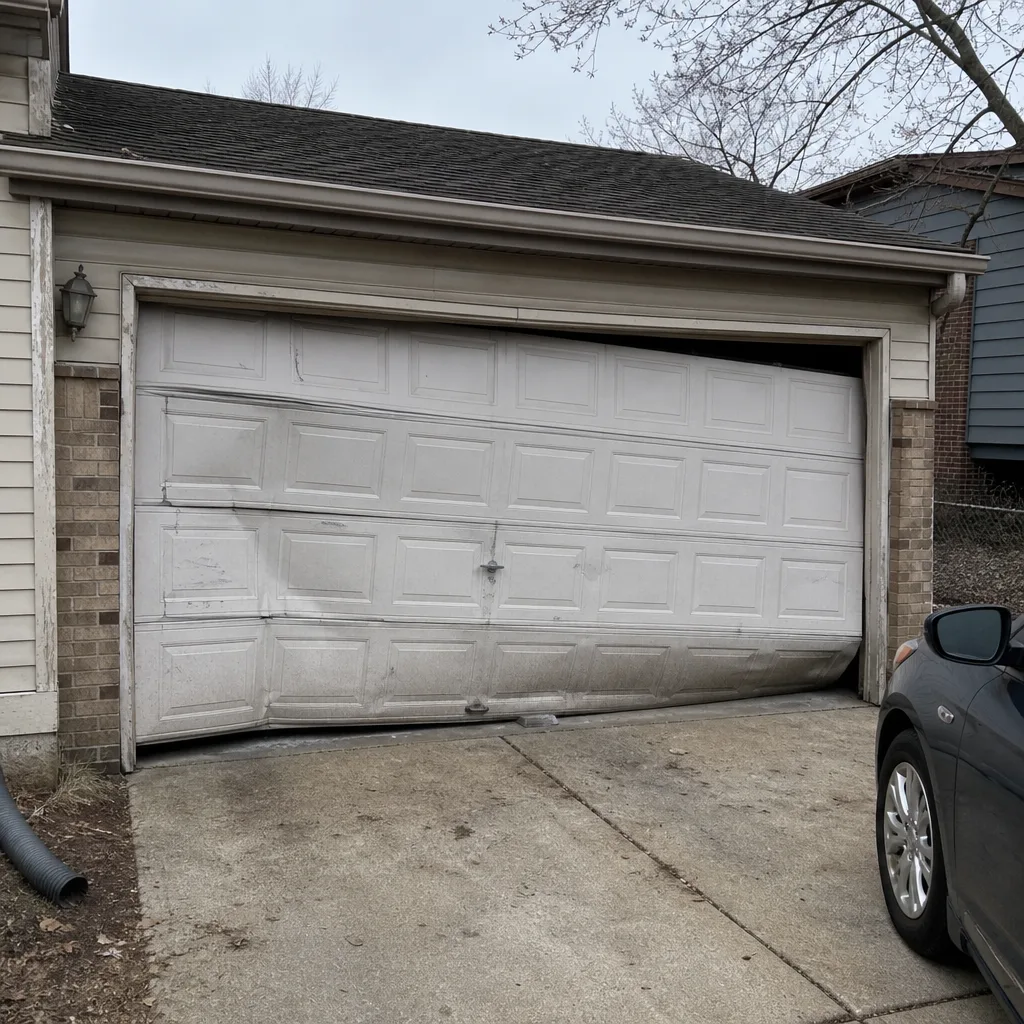 Before
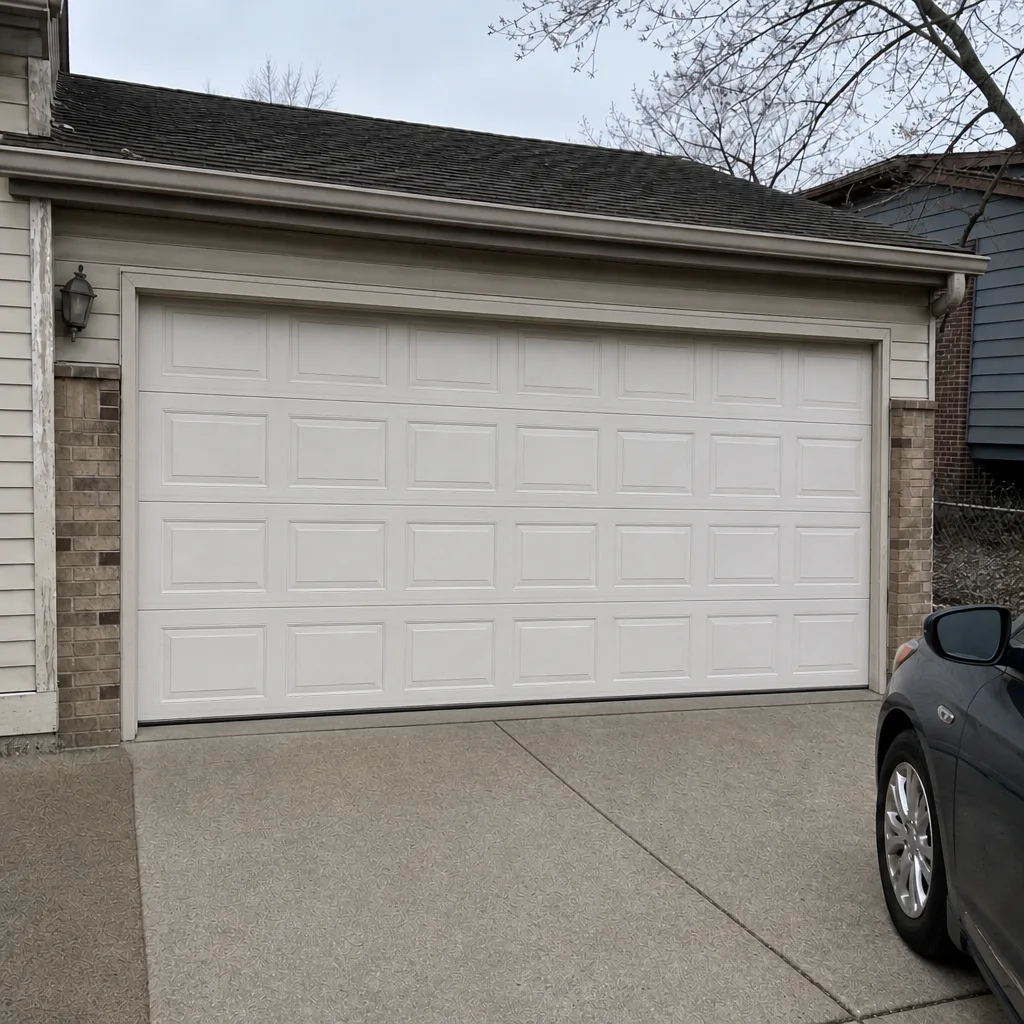 After
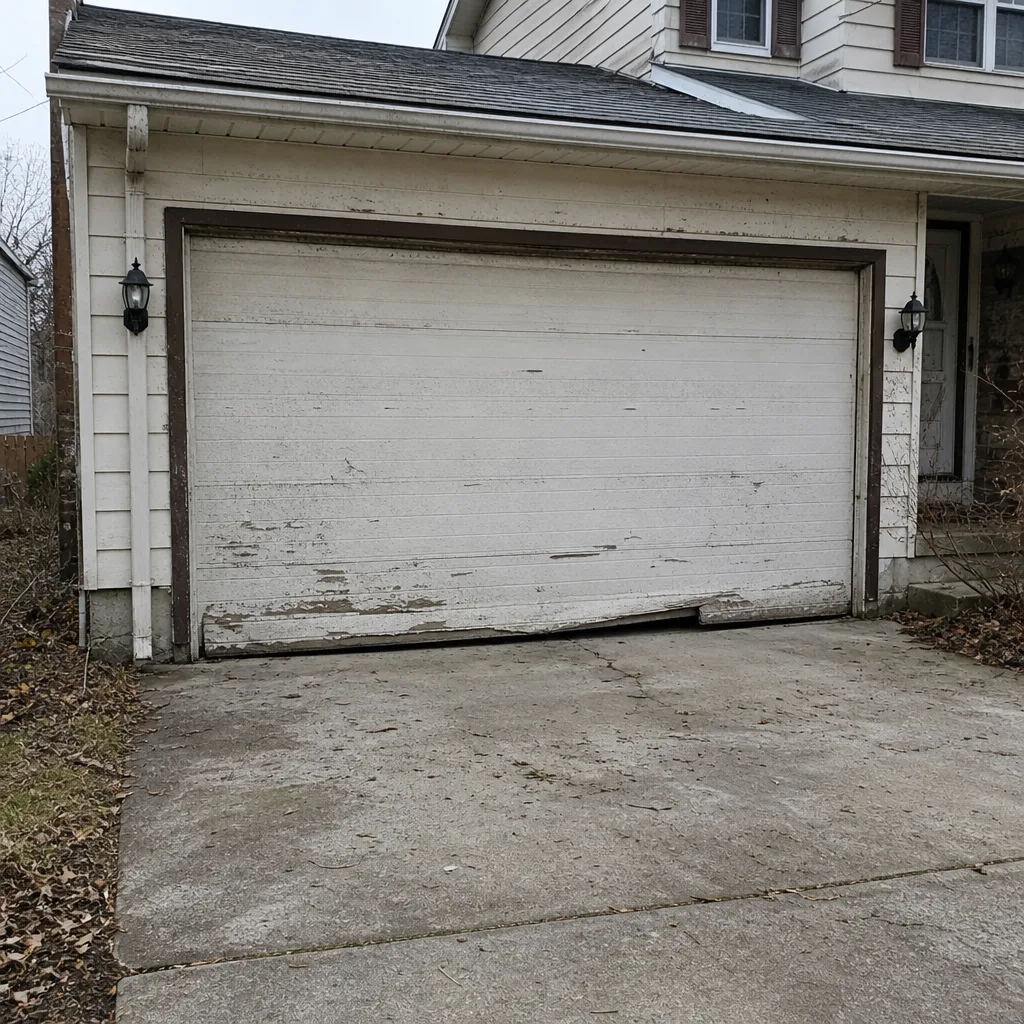 Before
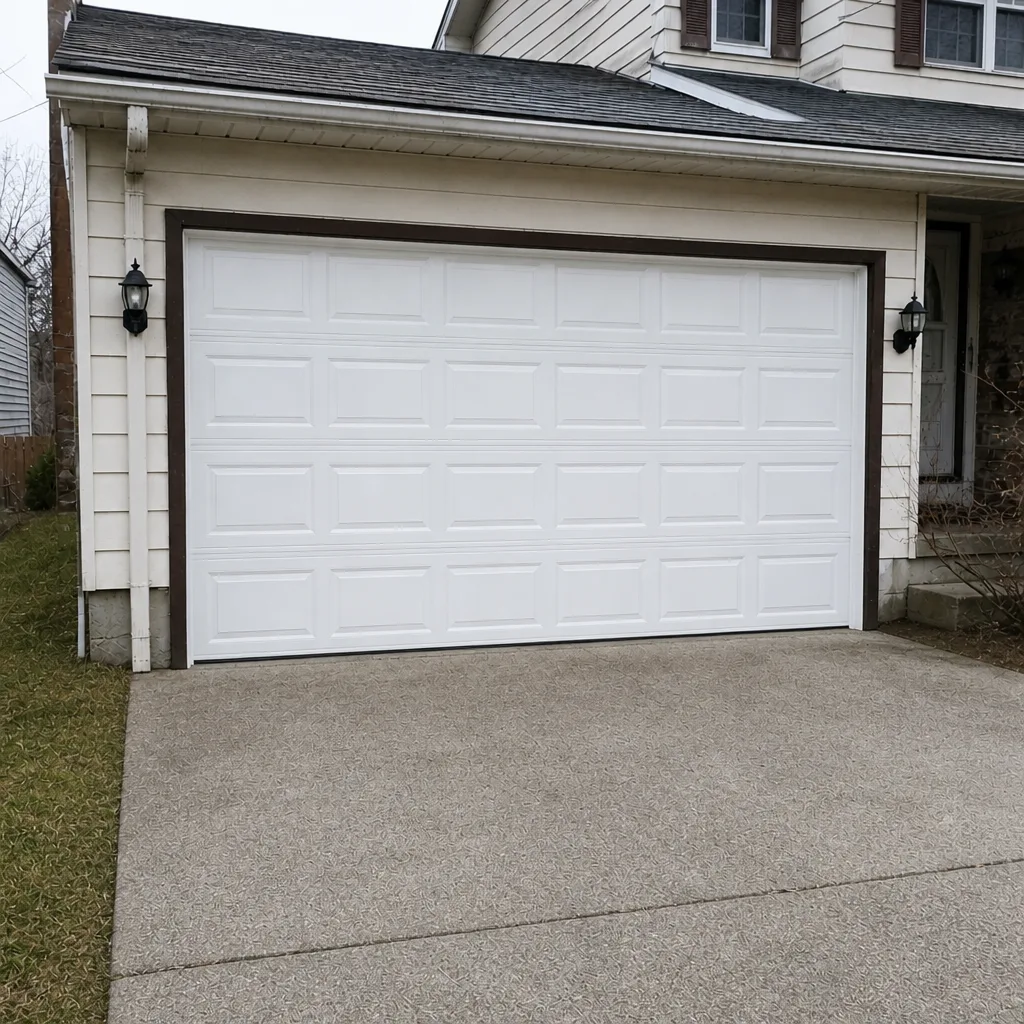 After
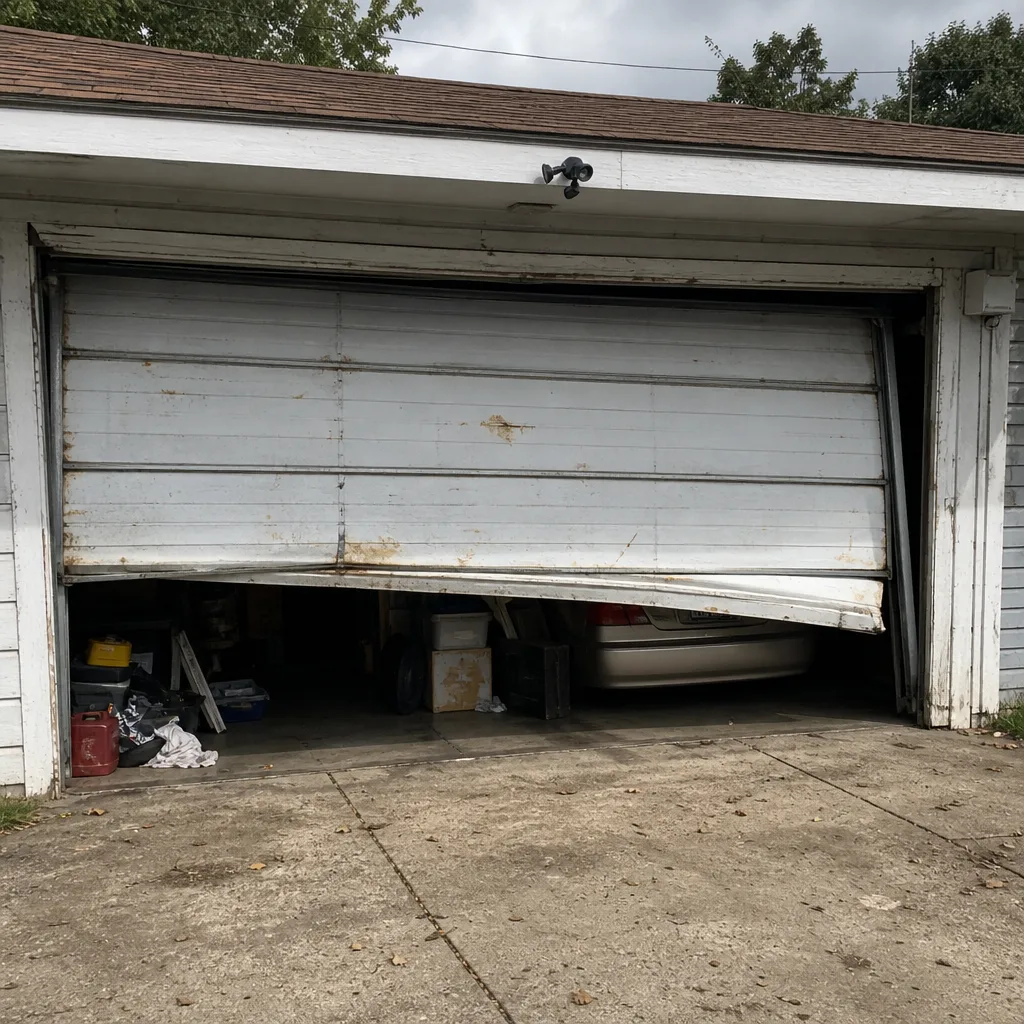 Before
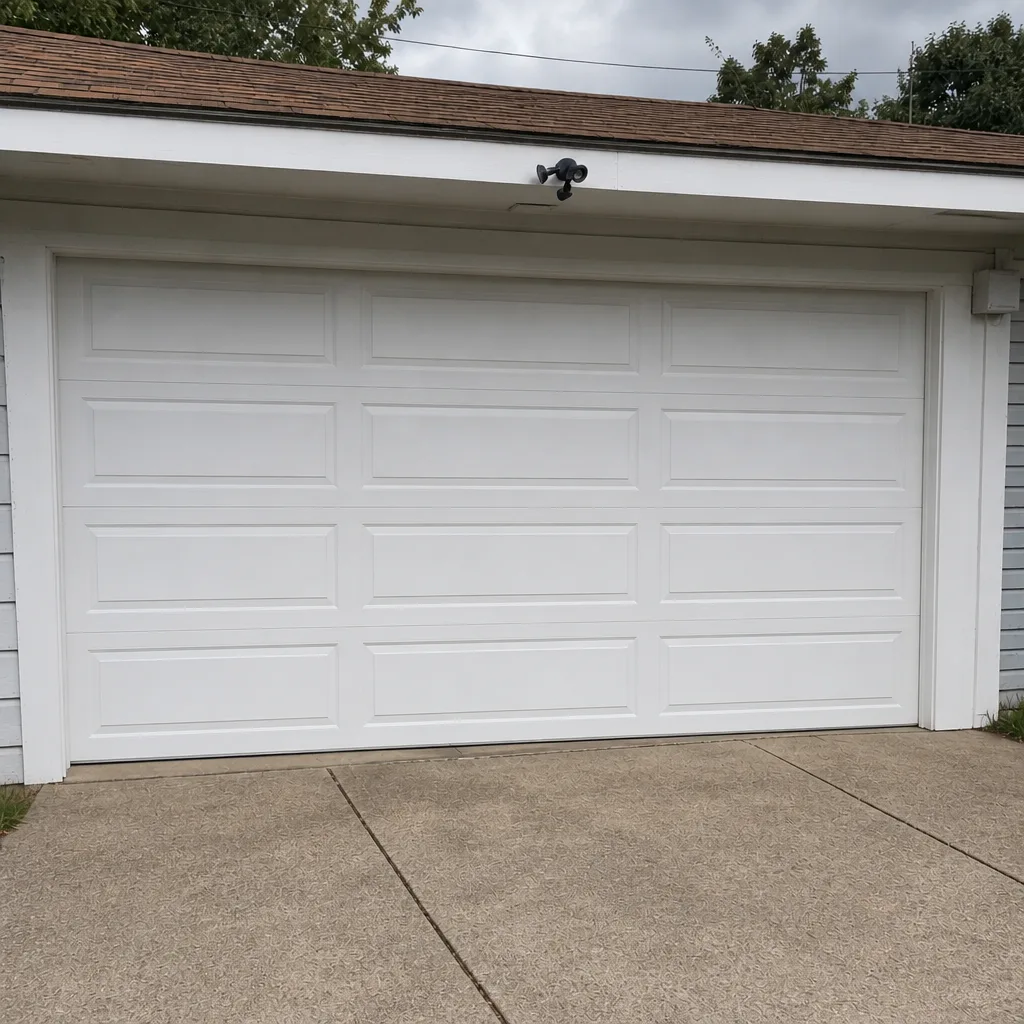 After
When to Call a Professional
Call us if you hear a pop and the door stops lifting, if you can see a gap in a spring coil, if a cable is hanging or slack, or if the door drops freely when you test it by hand. Call us if the door reverses repeatedly at the same point, or if the opener needs multiple presses to move the door in a pattern that’s getting worse. Call us if you’re not sure what you’re looking at: the diagnosis is part of the job, and we’d rather walk through it than have you guess.
Aurora Garage Door Repair Co offers free estimates in Aurora. Call (877) 492-4066. We answer 24/7. Fast dispatch from 7am to 7pm, Sunday through Friday. Our technicians have up to 13 years of experience across eight major garage door brands, and we’re equipped for repair, opener repair, spring repair, installation, and emergency response under one company. One call covers the full system.
Frequently Asked Questions
The first sign is usually a change in noise: a door that’s louder, grinding, or squealing more than it used to. The second is a change in how the opener responds, like needing a second press. Both are early and both are cheap to address before they become failures. Call (877) 492-4066 for an exact quote; estimates are free.
Spring replacement in Aurora typically runs in the $180 to $340 range for a single spring, with a matched pair costing about twice that since springs are almost always replaced together. The written estimate sets the final price, and you’ll have it before any work starts. Call (877) 492-4066 for an exact quote.
Same-day service is available for repair calls. Call (877) 492-4066. We answer 24/7. Fast dispatch from 7am to 7pm, Sunday through Friday. A call outside dispatch hours is booked into the next opening.
No. The written estimate you agree to is the price, and we don’t start work until you’ve agreed to it. If we find something during the job that changes the scope, we stop and quote it as a separate item before proceeding. Call (877) 492-4066 for a free estimate.
The local pros we connect you with are state-licensed and insured as Illinois requires, and our technicians have up to 13 years of experience. We work across eight major brands including LiftMaster, Chamberlain, Genie, Clopay, Amarr, Wayne Dalton, Craftsman, and Raynor. Call (877) 492-4066 to schedule.
Not if the spring is broken, has a visible gap in the coil, or the door drops freely. Stop using the door and call. If the door still operates but the balance test shows it’s dropping slowly, it’s safe to use sparingly until you can schedule the repair. Stick to a day service rather than an emergency one. Call (877) 492-4066.
The Bottom Line
Most garage door failures announce themselves in small ways: a second press, a slightly louder grinding, a spring that looks a little different than it did last year. The homeowners who avoid the worst repairs are the ones who treat those small signals as data rather than quirks. Use the balance test, watch the noise, and know the six stop-using signs by heart. If any of it points to a spring, a cable, or a binding track, don’t handle it yourself. The people who do this work are trained for it, and the price is set before the work starts. Call (877) 492-4066. We answer 24/7. Fast dispatch from 7am to 7pm, Sunday through Friday. Aurora Garage Door Repair Co – free estimates, upfront pricing, and the full door system under one company.
Written by the team at Aurora Garage Door Repair Co.