
Last updated November 23, 2026
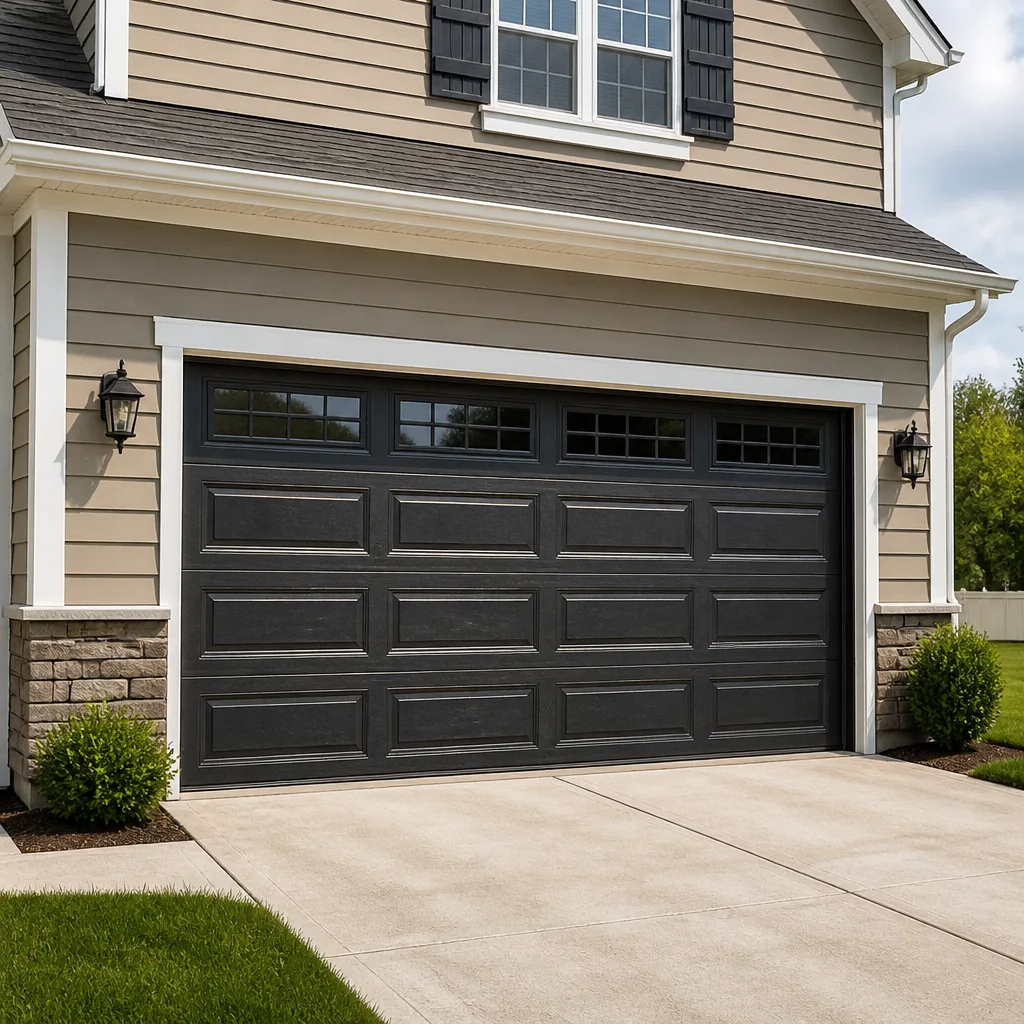 Raised-panel steel
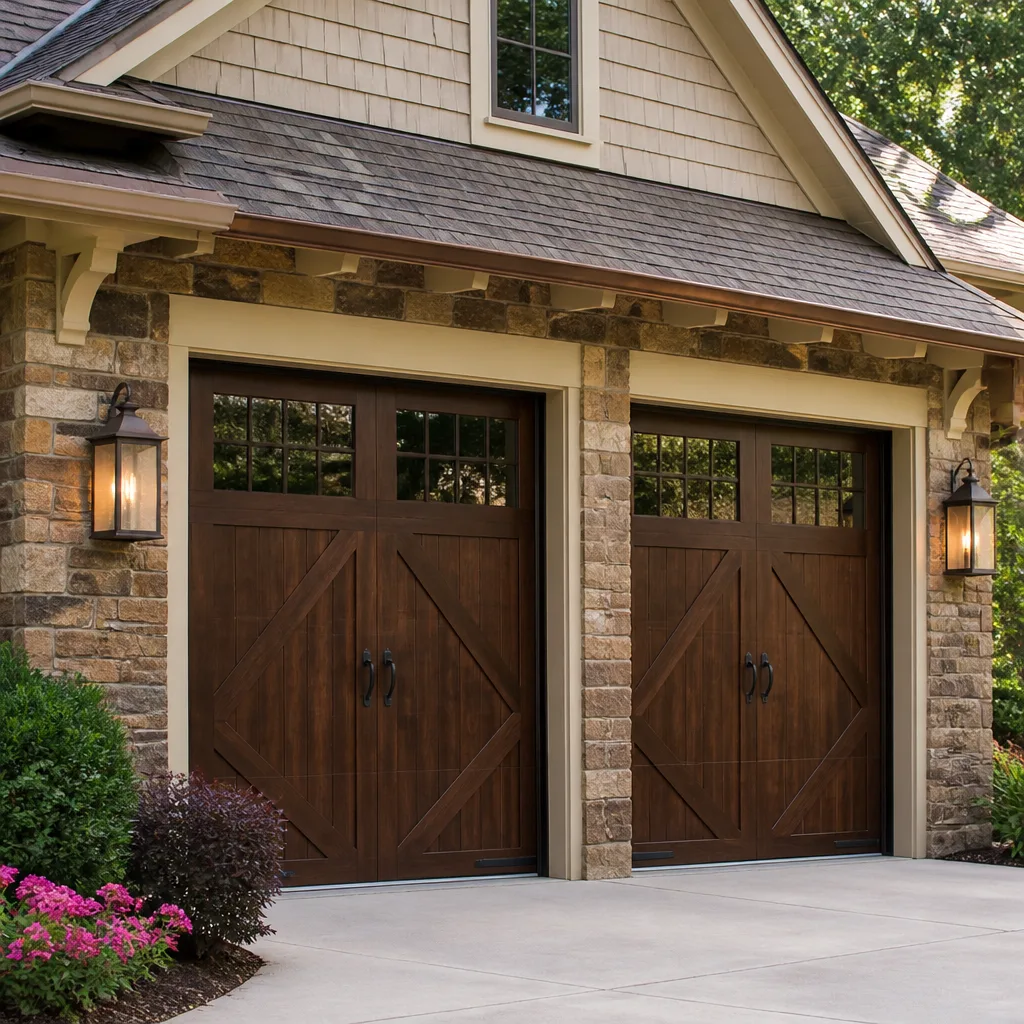 Carriage house
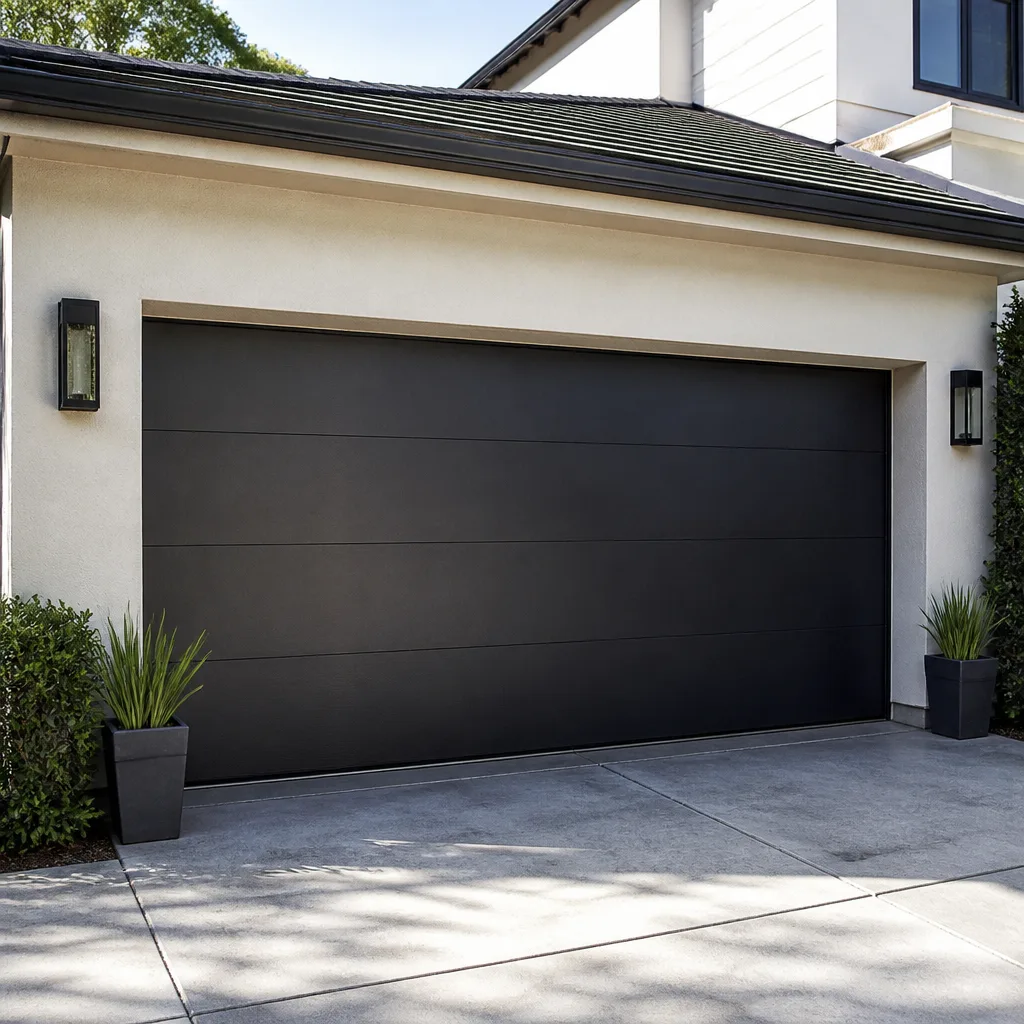 Modern flush
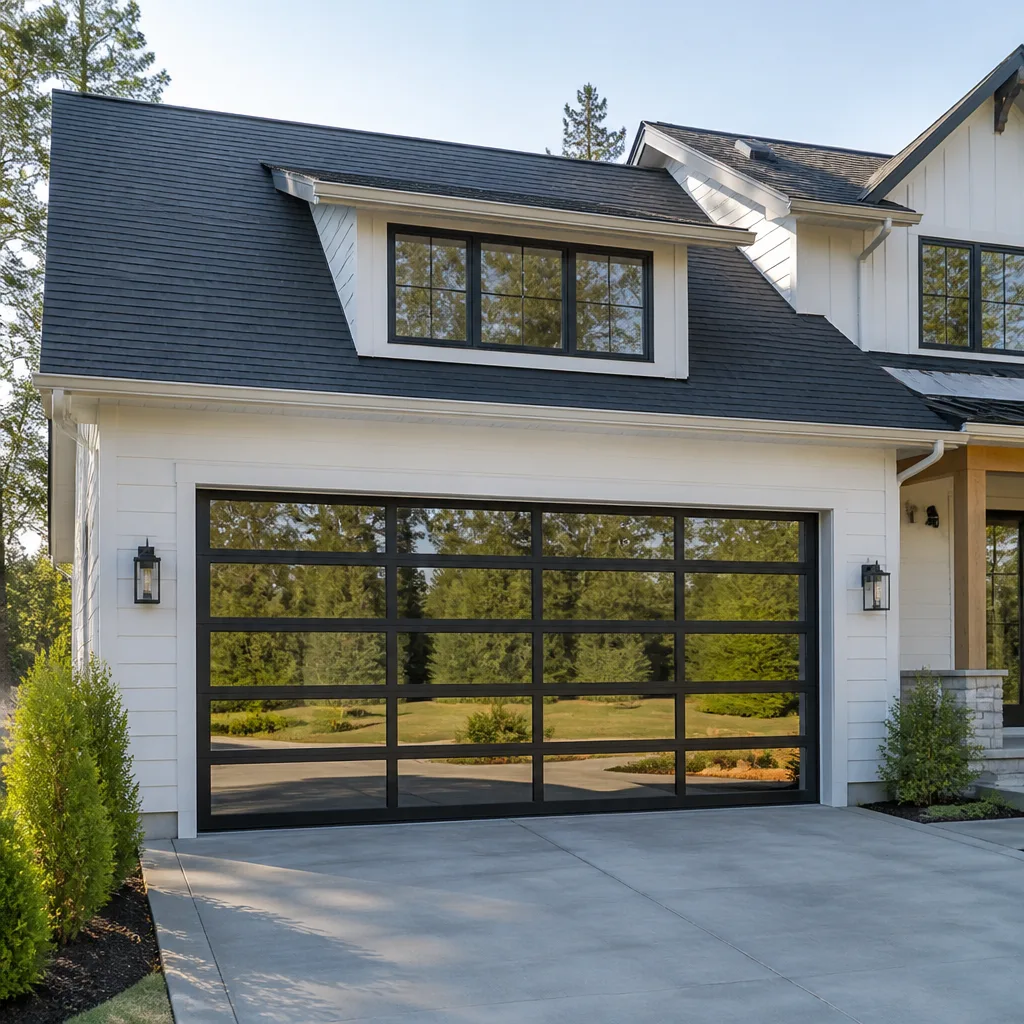 Full-view glass
 LiftMaster openers
 Chamberlain openers
Full 25-point door and opener safety check with every visit - springs, cables, rollers, tracks, and your LiftMaster or Chamberlain opener included
You get a price before we start. It does not change when the pro arrives.
Get your free estimateGarage Door Permits, Codes & Inspections in Aurora, IL: What You Need to Know
Most homeowners assume a garage door never needs a permit, and for a spring replacement or an opener swap that’s usually true. The trouble starts at the edges. Aurora straddles two permit jurisdictions, the state energy code sets real requirements for any new door on a conditioned garage, and a job that crosses from “repair” into “alteration” changes who’s legally responsible for the work. Miss that line and you have an unpermitted structural modification on your property. This guide maps where the line actually sits in Aurora, what Kane County handles versus the city, what a failed inspection really costs you, and how to pull the permit history on your own address before you hire anyone.
Quick Answer
In Aurora, routine garage door repairs like spring, cable, roller, or opener replacement generally don’t require a permit. Replacing the door and its frame, changing the opening size, or altering the structural header typically does count as an alteration under city building code and needs a permit before work starts. For homes on the municipal boundary, confirm whether the City of Aurora or Kane County is your permitting authority, and check the current Illinois Energy Code minimums for any insulated door on a conditioned garage. When in doubt, the city’s building department is the final word.
Styles & brands we work with
- Raised-panel steel
- Carriage house
- Modern flush
- Full-view glass
- LiftMaster openers
- Chamberlain openers
Table of Contents
- When Is Garage Door Work a Repair and When Is It an Alteration?
- City of Aurora vs. Kane County: Who Issues Your Permit?
- What the Illinois Energy Code Requires for Insulated Doors
- What a Failed Inspection Actually Means for You
- How to Pull the Permit History on Your Address
- What Your Contractor Should Handle vs. What’s Yours
- Permits, Disclosure, and Resale in Aurora
When Is Garage Door Work a Repair and When Is an Alteration?
The distinction sounds bureaucratic, and it is, but it drives everything else on this page. A repair restores a door to the condition it was already in and inspected under. An alteration changes the door assembly, its size, its mounting, or the structure around it. One is routine maintenance; the other is construction work that needs a paper trail.
Here’s how the split usually falls in Aurora:
Typically treated as repairs (no permit)
- Replacing torsion or extension springs, one or as a matched pair
- Spring, cable, drum, roller, hinge, or track hardware replacement
- Opener repair or replacement using the same mounting and electrical connection
- Panel replacement when the frame, opening, and header stay untouched
- Weatherseal, bottom seal, and trim refresh
- Adjustment, lubrication, and balance work
Typically treated as alterations (permit usually required)
- Complete door-and-frame replacement, even at the same size
- Changing the opening’s width or height
- Modifying or replacing the structural header or load-bearing support
- Converting the opening to a different style that changes how it mounts
- Adding a new opening to the garage or modifying an existing one structurally
The confusion usually lands on full door replacement. A homeowner reads “replacement” as maintenance, hires a crew, and later finds out the job was an alteration under Aurora’s building code. Full replacement touches the opening, the anchoring, and often the header, and that’s structural territory. We work with garage door repair on the repair side all day, and the honest answer on framing changes is simple: call the city, get a straight answer, and let it shape the estimate. A proper door install also means releasing tension safely, which is why garage door spring repair work and door swaps shouldn’t share a DIY weekend.
City of Aurora vs. Kane County: Who Issues Your Permit?
This trips up a lot of homeowners, so here’s the plain rule: Aurora sits mostly in Kane County with a portion in DuPage, Kendall, and Will, and homes near the municipal boundary can fall under either the City of Aurora’s building department or the county’s permitting authority. Which one you call depends on your exact address, not your ZIP code and not your subdivision name.
Two other factors matter in Aurora:
- Home rule authority. Aurora is a home rule municipality, which means it writes and enforces its own building code rather than simply adopting the county’s. In practice the city’s permit review is the process you’ll go through for inside-city limits work.
- Unincorporated addresses. Property inside Aurora city limits but outside an incorporated area, or along the western boundary, can push permitting to Kane County. If your address is unincorporated, confirm with the county before you schedule anything.
- Newer subdivisions. Homes built under a developer’s original permits may carry recorded easements or conditions that affect what you can change and who reviews it. Check the recorded plat before assuming a standard process.
How to settle the question in one call:
- Look up your parcel on the Kane County or Aurora property record to confirm the jurisdiction.
- Call the City of Aurora Building Department and describe the job in plain terms: door size, whether the frame and header stay, and whether the opening changes.
- If they say the address falls outside their authority, ask which office to contact; they’ll route you to the county.
- Write down the name of who you spoke with and the date. That note is your paper trail if a question comes up later.
For a full new installation we recommend doing this before the measure, not after. That way the scope of the job and the permit requirement are settled before anyone orders a door. The garage door repair side of the trade rarely raises this question, but an install almost always does.
What the Illinois Energy Code Requires for Insulated Doors on Conditioned Garages
Illinois follows the statewide energy code, and it applies to any new garage door installed on a garage that shares a wall, ceiling, or floor with conditioned living space. That’s the norm in Aurora, where most garages are attached to the house. If your garage is a detached, unconditioned structure with no living space attached, energy code review usually doesn’t apply the same way, but the city still wants to know what you’re installing.
What actually matters for your door selection:
- R-value minimums. The code sets a minimum thermal performance for the door assembly, and that minimum has tightened over recent code cycles. Ask the city’s building department for the current figure in force for your project; don’t assume what your neighbor’s door met five years ago still applies.
- Insulation type. Steel-backed polyurethane doors generally hit higher R-values than polystyrene because of foam density. For an Aurora winter, the difference shows up on the gas bill, not just the spec sheet.
- Air sealing. A high-R door with poor perimeter sealing leaks worse than a mid-R door with good weatherstripping. Bottom seals, side seals, and threshold condition matter as much as the panel spec.
- Documentation. The permit application usually requires the manufacturer’s R-value documentation. Brands like Clopay and Amarr publish it for their insulated lines, so your contractor should hand you the sheet rather than promise you a number verbally.
Energy code compliance is often the number one reason a full door replacement needs a permit even when the size stays identical. The city wants to know the door assembly meets the current minimum for a conditioned garage, and that review is where sloppy installs get caught. When we write a door proposal, we pair the R-value sheet with the written price so both are on the table before anything is ordered.
What a Failed Inspection Actually Means for You
A failed inspection is a stopping point, not the end of the project. The building inspector finds something that doesn’t meet the permit’s scope or the current code, writes it up, and the job can’t be signed off until it’s corrected and re-inspected. That means the work is halted where it stands, and you can’t close out the permit or use that garage door as a completed, permitted install until the issue is resolved.
What typically follows:
- Re-inspection fees. Most jurisdictions charge a re-inspection fee for each return visit, and the amount varies by jurisdiction and by how many visits it takes. Confirm the current fee schedule with the Aurora building department when you pull the permit.
- Work stoppage. Anything the inspector flags as non-compliant has to be corrected before the job is signed off. If the issue is structural or energy-code related, the correction can mean additional material or a re-order.
- Timeline drift. Re-inspection comes after the correction is made, so a failed inspection can push completion past the original date. Plan for it if you’re selling the house or refinancing.
Where responsibility sits matters, so let’s separate it cleanly:
- Contractor’s responsibility: pull the permit if they’re the permit-holder, build to the approved scope, request the inspections, correct code deficiencies in the work, and provide final documentation.
- Homeowner’s responsibility: confirm a permit is required and pulled before work starts, sign the application if you’re the permit-holder, provide access for inspections, and keep the final inspection record for your files.
The trap in Aurora is the “handshake job” where the contractor says a permit isn’t needed. That’s only true for repairs. On a door-and-frame replacement, the homeowner is the one who ends up with the unpermitted work on their record, and that’s the risk worth avoiding. If you need urgent work and the permit question isn’t settled, that’s the moment to call garage door repair for the emergency fix and schedule the structural conversation separately.
How to Pull the Permit History on Your Address
Before you hire anyone, know what’s already been done to your garage and whether it was inspected. Prior work that was never permitted still sits in your property’s record, and it can surface in a resale transaction, an insurance claim, or a future inspection. Pulling the history is straightforward and usually free or low cost.
How to request it:
- Find the address and parcel number. Use the Kane County property records or the Aurora assessor’s lookup. The parcel number ties every permit to your specific lot.
- Contact the City of Aurora Building Department. Ask for a permit history on the address, including any open or expired permits. Most jurisdictions will give you a written record by email or at the counter.
- Ask specifically about the garage. Not every permit is easy to spot on a summary sheet. Ask for garage-related permits, inspections, and finaled or unfinaled status.
- Check the county if your address is unincorporated. Kane County keeps its own records for unincorporated parcels, and a city search won’t show them.
- Read the inspection notes. Final inspection status tells you whether the work was signed off or left open. An open permit is a flag worth resolving before you install anything new.
What to do with what you find:
- Prior door install was permitted and finaled: you’re starting clean. The new job is a fresh permitting question on its own merits.
- Prior door install was permitted but never finaled: that’s an open permit. Call the city to find out what’s needed to close it before a new permit is pulled.
- No record at all: confirm whether a permit should have been issued for the past work. If yes, the city can advise on how to address the unpermitted work before you build on top of it.
- Structural work recorded that doesn’t match what you see: get a professional eyes-on assessment before assuming the record is accurate.
This step costs an afternoon and catches more surprises than any other part of the process. Doing it before you sign an estimate protects you from inheriting someone else’s permit problem in Aurora.
What Your Contractor Should Handle vs. What’s Yours
The cleanest projects are the ones where the permit-holder and the work are the same entity. When a contractor pulls the permit, they own the correction of any code deficiencies and they’re on record as the responsible party. When you pull it, you’re the permit-holder and you’re the one the city holds responsible for the work meeting code. In Aurora, either arrangement can work, but the split should be clear before anyone orders materials.
What a professional garage door company should handle:
- Tell you honestly whether your job needs a permit, and why or why not
- Provide the manufacturer’s R-value documentation before the job starts
- Pull the permit if they’re the permit-holder, and schedule the required inspections
- Correct code issues in the work they performed
- Hand over the final inspection documentation for your files
What stays with you as the homeowner:
- Confirm the jurisdiction before the job is quoted, especially near the Aurora boundary
- Sign and submit the application if you’re the permit-holder
- Provide property access for the inspector
- Keep the final permit record with your closing documents
- Resolve any pre-existing open permits before new work begins
Safety matters here too. Any full door replacement or spring-related structural work involves high-tension springs and, on taller doors, overhead work at height. Those are jobs for a trained technician, not a weekend project. We connect Aurora homeowners with independent local professionals who are experienced with the major brands, including Chamberlain and Genie opener systems and Amarr steel doors, so the crew that shows up already knows the equipment. If you want the interior controls or remote operation serviced at the same time, garage door opener repair can be scheduled with the install visit rather than as a separate appointment.
Permits, Disclosure, and Resale in Aurora
An unpermitted garage door install is usually invisible until it’s expensive. When you sell, the buyer’s inspector flags the door assembly, the seller has to disclose the work, and the buyer’s lender can ask for permit history. If the install was an alteration that should have been permitted and wasn’t, the transaction can stall while the seller goes back to the city to legalize the work or negotiates a credit. That’s the practical cost of skipping the permit, and it’s the reason this guide exists.
What buyers and their agents typically check:
- Permit history on the address, pulled from the City of Aurora or the county
- Whether any garage-related permit was closed with a final inspection
- Whether the door assembly matches what the permit documents describe
- Whether the energy code documentation is available for an insulated door
Homeowners preparing to sell in Aurora have a real advantage if they sorted permits out when the work was done. A final inspection record is a clean, checkable document. There’s nothing to explain later.
Also worth checking before you list
Pull the permit history a few months before you list, not a week before close. If there’s an open permit, you’ll have time to close it. If there’s unpermitted work, you can decide whether to legalize it or disclose it with a written explanation. Both paths are better than getting the question from a buyer’s attorney without an answer ready.
What “legalizing” unpermitted work involves
Typically the city requires documentation of what was installed and inspection of the current condition. In the worst case, the work has to be brought up to current code to be signed off. In a door replacement that usually means the assembly, anchoring, and any energy-code items have to meet today’s requirements rather than the code cycle in force when the work was done. Confirm the process with the Aurora building department before you make a decision about selling or refinancing.
Common Mistakes to Avoid
- Assuming all garage door work is permit-free. A spring or opener replacement usually is. A door-and-frame replacement usually isn’t. Treating every job as maintenance is the single biggest trip-up in Aurora.
- Skipping the R-value documentation on an insulated door. If your garage shares a wall with conditioned living space, the Illinois Energy Code applies, and the permit review asks for the manufacturer’s R-value sheet. Get it before the job is scheduled, not after.
- Calling the wrong permitting authority. Homes near the Aurora municipal boundary can fall under Kane County instead of the city. Call first, describe the job, and get the jurisdiction in writing.
- Hiring a contractor who says “we don’t need a permit” without checking. That’s the right answer on a repair and often the wrong answer on an install. The unpermitted work stays on your record, not theirs.
- Not checking the permit history before a new install. An open permit from a previous owner’s job can block your new permit. Pull the history before you sign anything.
- Treating a failed inspection as someone else’s problem. The correction, re-inspection fee, and timeline are real, and they land on the project. Confirm who was the permit-holder and who owns the correction before the work begins.
- Doing structural work yourself to skip the permit. Header and frame work sits next to high-tension springs, and the consequences of getting either wrong are severe. Hire trained technicians for anything that touches the door assembly.
See the difference
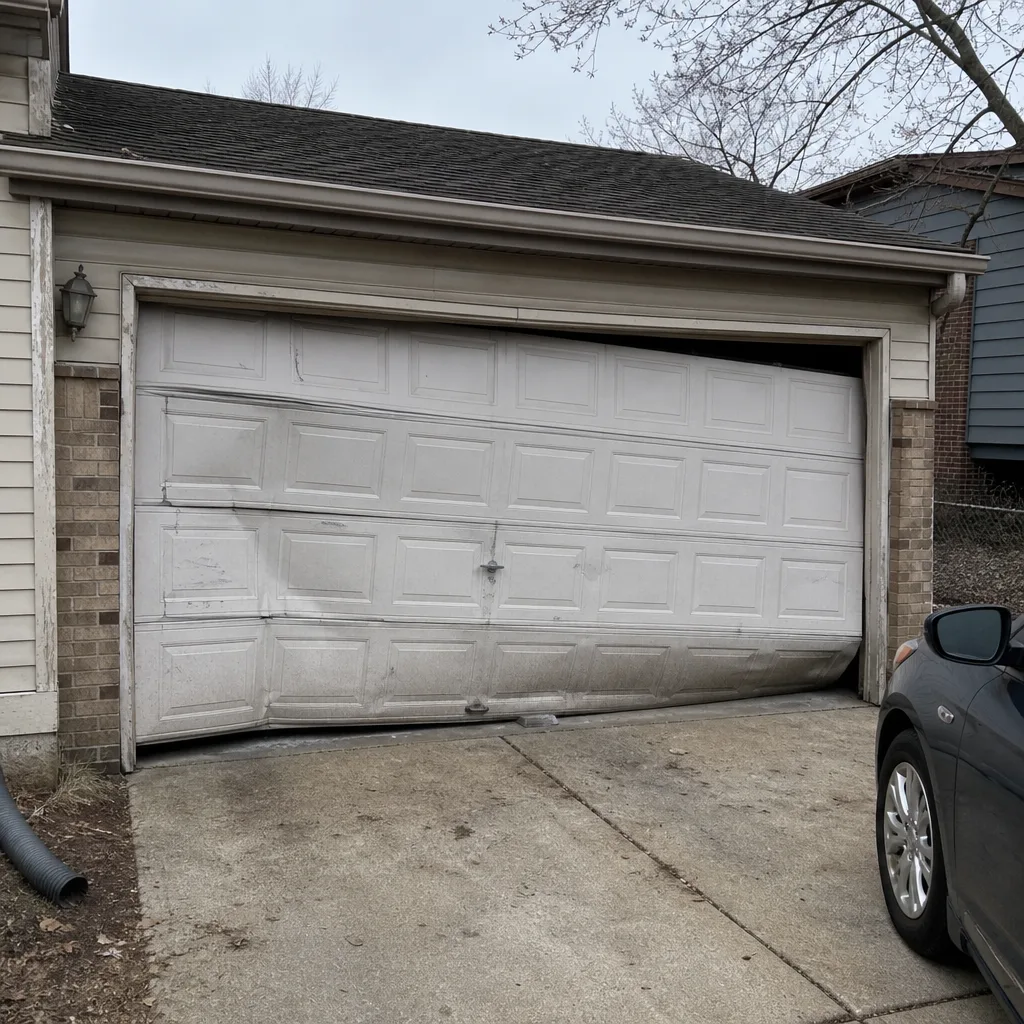 Before
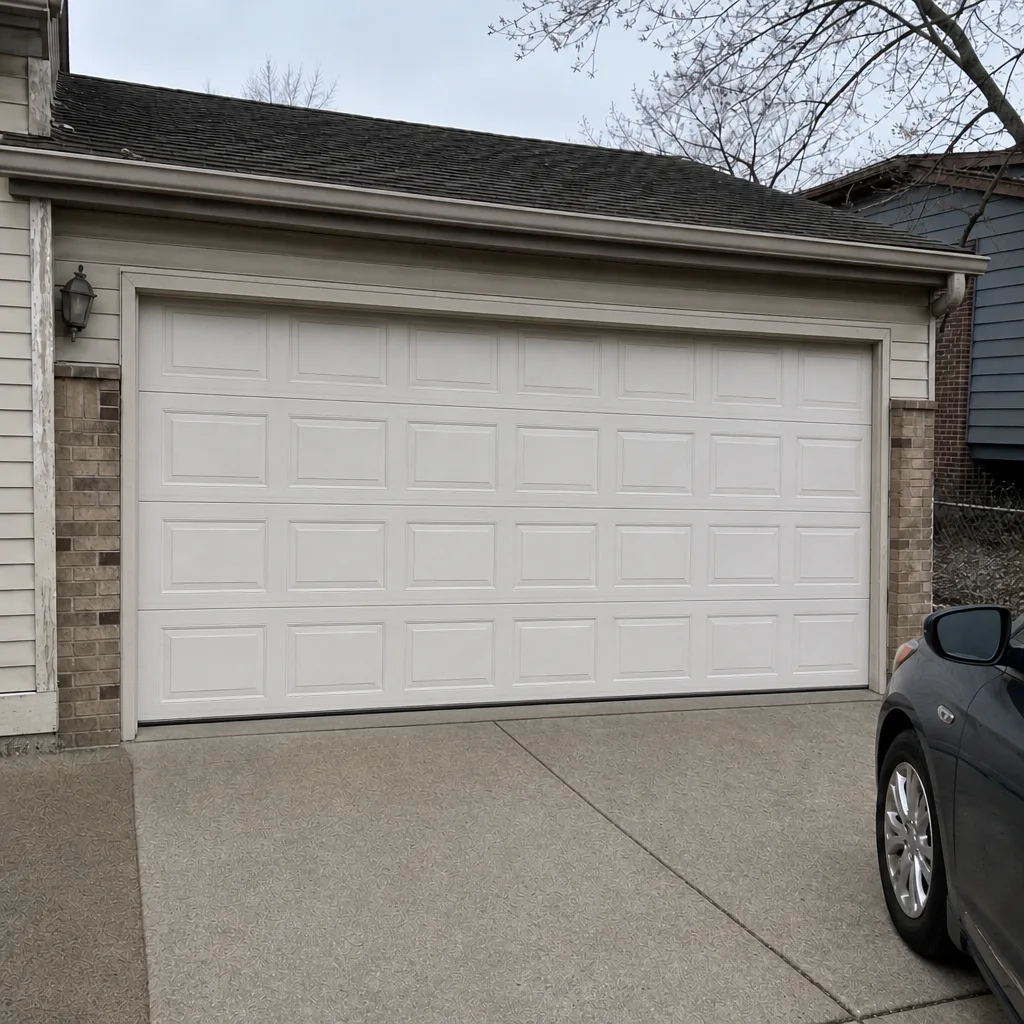 After
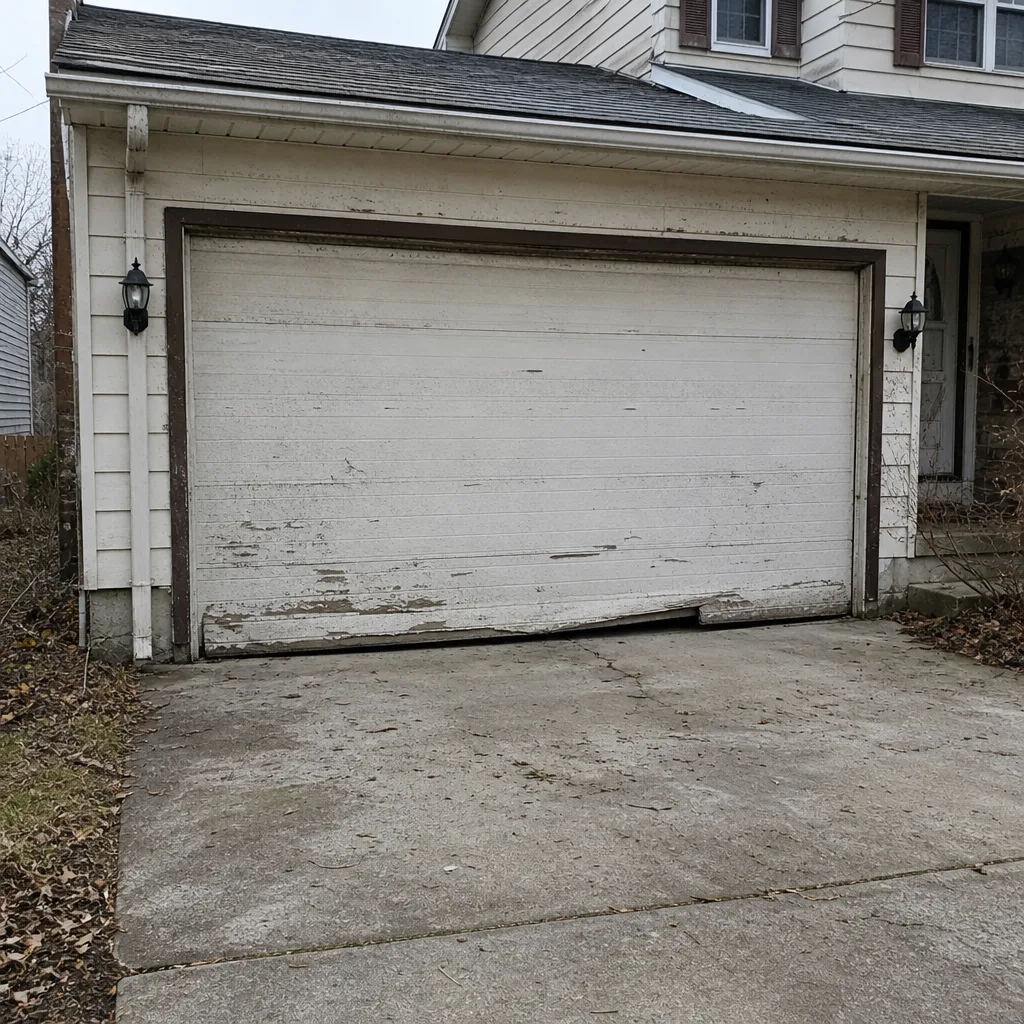 Before
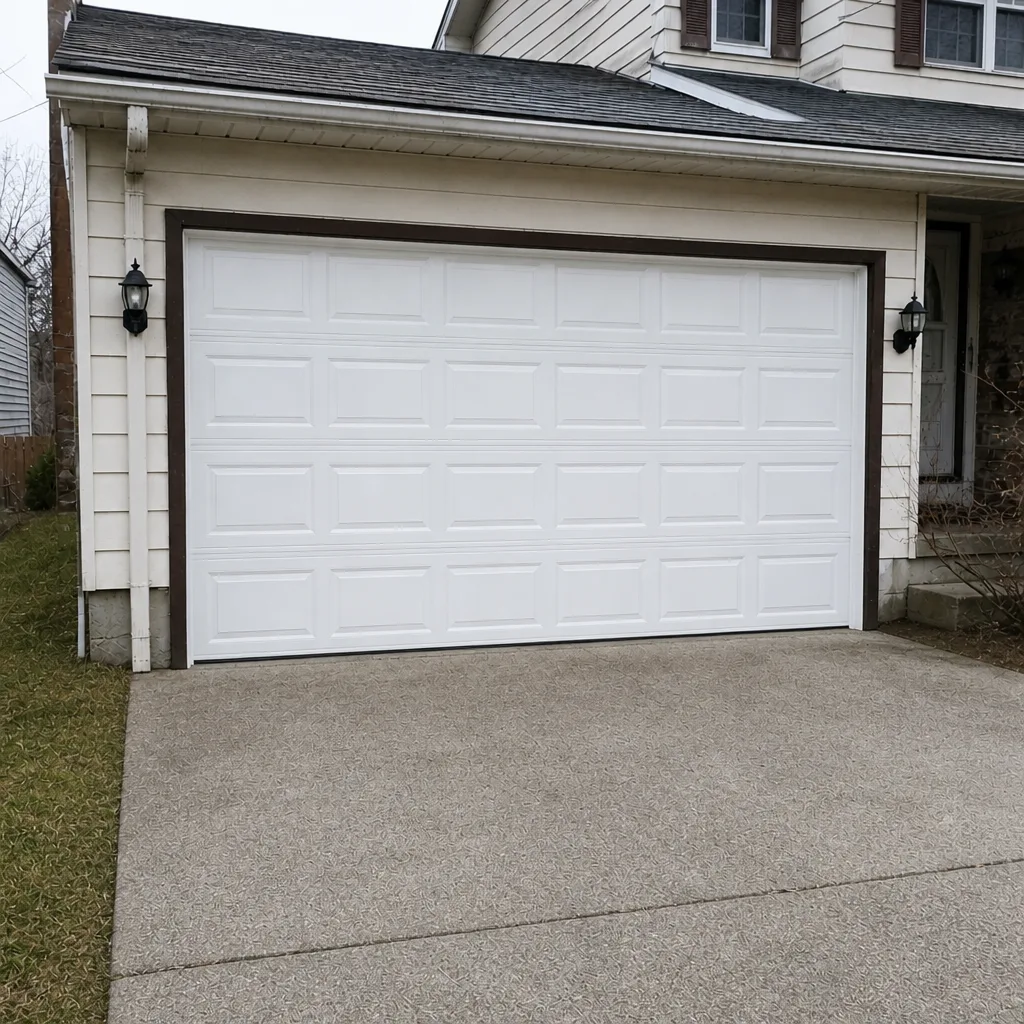 After
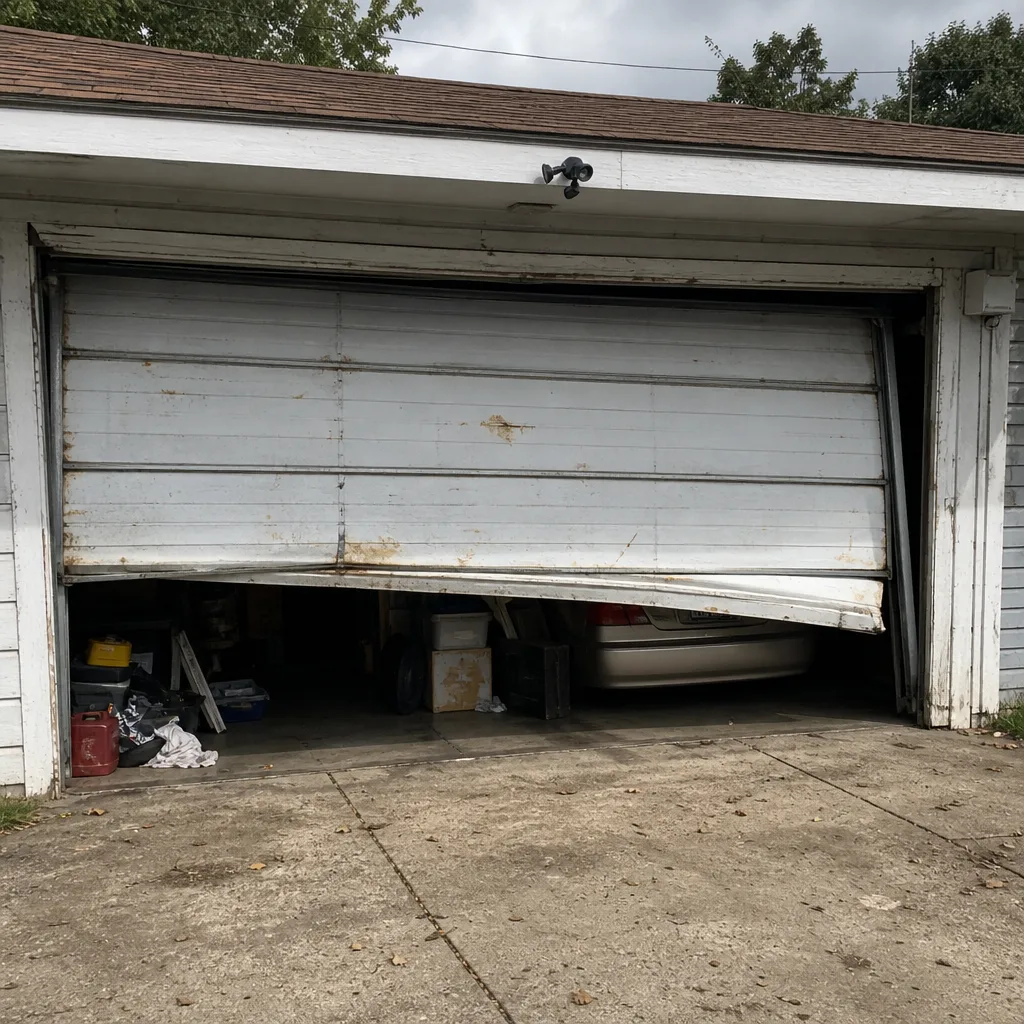 Before
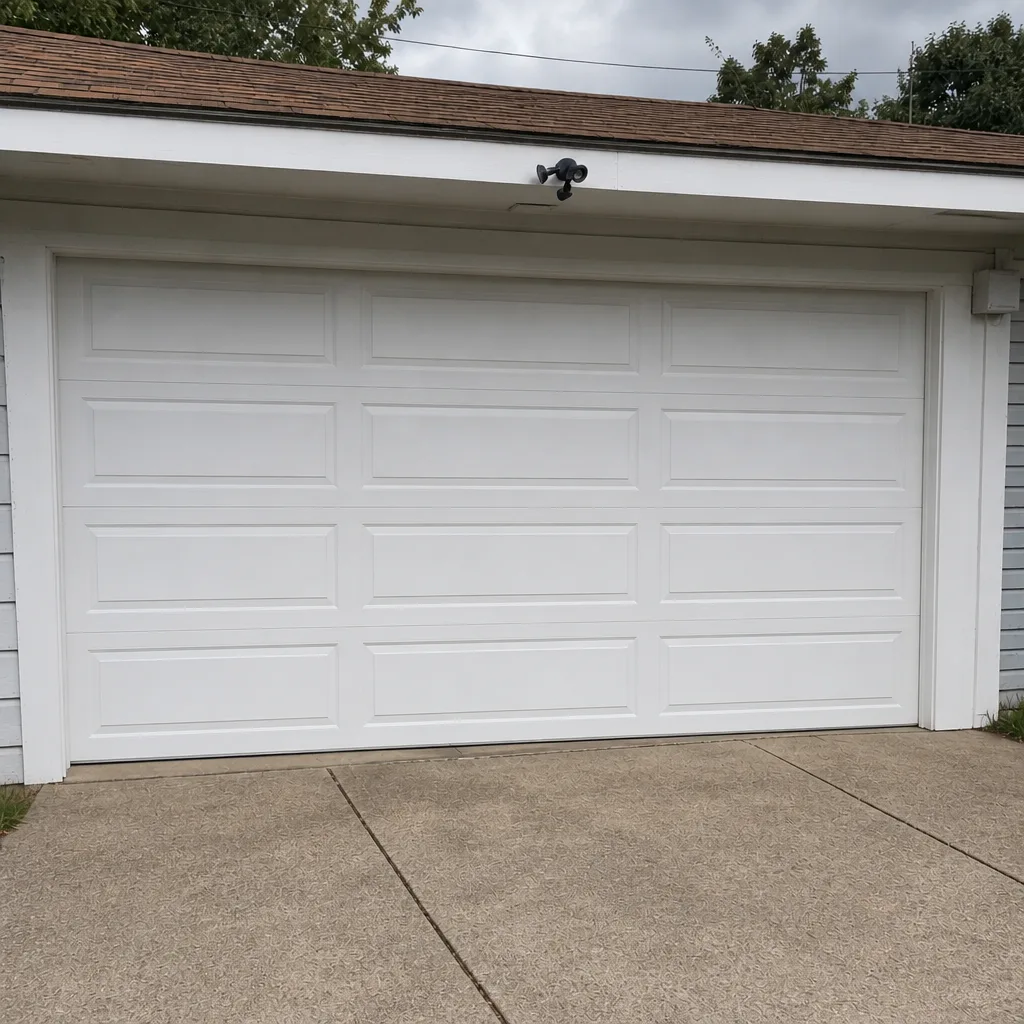 After
When to Call a Professional
Call a professional technician when the work is structural, when the springs are involved, or when the question is urgent. If the door won’t open, if a spring has snapped, if a cable has come off the drum, or if the door is off track, that’s a same-day call. If the door assembly itself needs replacement, that’s a scheduled install with a free measure and a written price, and it’s the right moment to settle the permit question first. If your permit history shows open or unpermitted work, get a professional eyes-on assessment before assuming anything about the door you have. Aurora Garage Door Repair Co offers free estimates in Aurora. Call (877) 492-4066 for an exact quote.
Frequently Asked Questions
In most cases, yes: a full door-and-frame replacement typically counts as an alteration under Aurora’s building code and needs a permit, while routine repairs like springs, cables, rollers, or an opener swap usually don’t. The answer depends on whether the frame, opening size, or header changes. Call the City of Aurora Building Department with your address and the scope, and get the answer in writing before you sign an estimate. If you’re not sure which side of the line your job falls on, call (877) 492-4066 and we’ll walk through what you’re planning.
It depends on your exact address. Aurora is a home rule municipality and most addresses inside city limits are reviewed by the City of Aurora Building Department, but homes on the municipal boundary or on unincorporated parcels can fall under Kane County. Look up your parcel, then call the city first and ask the routing question directly. The city will tell you if the address is outside their authority and who to contact instead.
The code sets a minimum R-value for the door assembly whenever the garage shares a wall, ceiling, or floor with conditioned living space, and that minimum has tightened over recent code cycles. Ask the City of Aurora Building Department for the current figure for your project; don’t rely on what a neighbor’s door met a few years back. Your contractor should provide the manufacturer’s R-value documentation with the proposal.
The job is halted where it stands until the flagged items are corrected and re-inspected. You’ll typically pay a re-inspection fee for each return visit, and the timeline moves out by however long the correction takes. The contractor who pulled the permit is responsible for correcting code deficiencies in the work; the homeowner is responsible for confirming the permit was pulled and for providing access. Call (877) 492-4066 if you need help sorting the scope before scheduling. Estimates are free.
Request the permit history from the City of Aurora Building Department using your property’s parcel number, and ask for garage-related permits including open and expired ones. If your address is unincorporated, request the same history from Kane County. A final inspection record tells you the work was signed off; an open permit tells you there’s an unanswered question. Worth the afternoon before you install anything new.
The price is set per job by the written estimate, and we quote and agree the price before any work starts. The written estimate describes a specific scope: door size, brand, insulation level, opener model, and whether a permit is involved. If the inspection turns up something the estimate didn’t anticipate, like an open permit or a header that needs work, we tell you before proceeding rather than after. Call (877) 492-4066 for an exact quote. Estimates are free.
The Bottom Line
The permit question in Aurora is narrower than most homeowners fear and more consequential than most expect. Routine repairs, which is most of the trade, generally don’t need a permit. Door-and-frame replacement, opening changes, and header work usually do, and the energy code review on a conditioned garage makes that the case even at the same door size. Confirm your jurisdiction early, pull the permit history on your address before you hire, and keep the final inspection record for your files. If you’re in doubt, ask the city. And if you need the work done, we’re here to help.
Aurora Garage Door Repair Co works across eight leading brands, including LiftMaster, Chamberlain, Genie, Clopay, Amarr, Wayne Dalton, Craftsman, and Raynor, so the technicians who show up already know the hardware in your garage. Our technicians have up to 13 years of experience. Repair, opener repair, spring repair, installation, and emergency garage door service all come from one company, so one call covers the full system. Call (877) 492-4066 for a free estimate. We answer 24/7. Fast dispatch from 7am to 7pm, Sunday through Friday.
Written by the team at Aurora Garage Door Repair Co.