
Last updated November 23, 2026
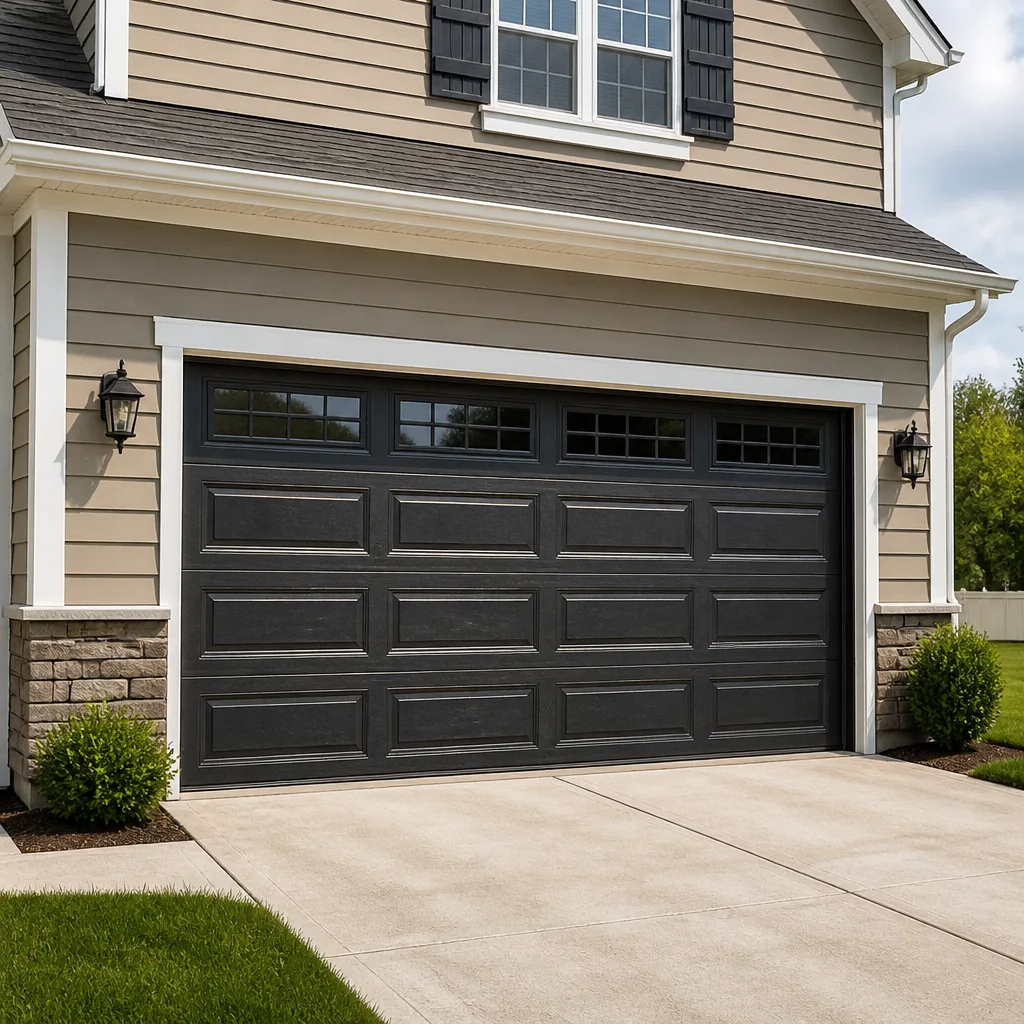 Raised-panel steel
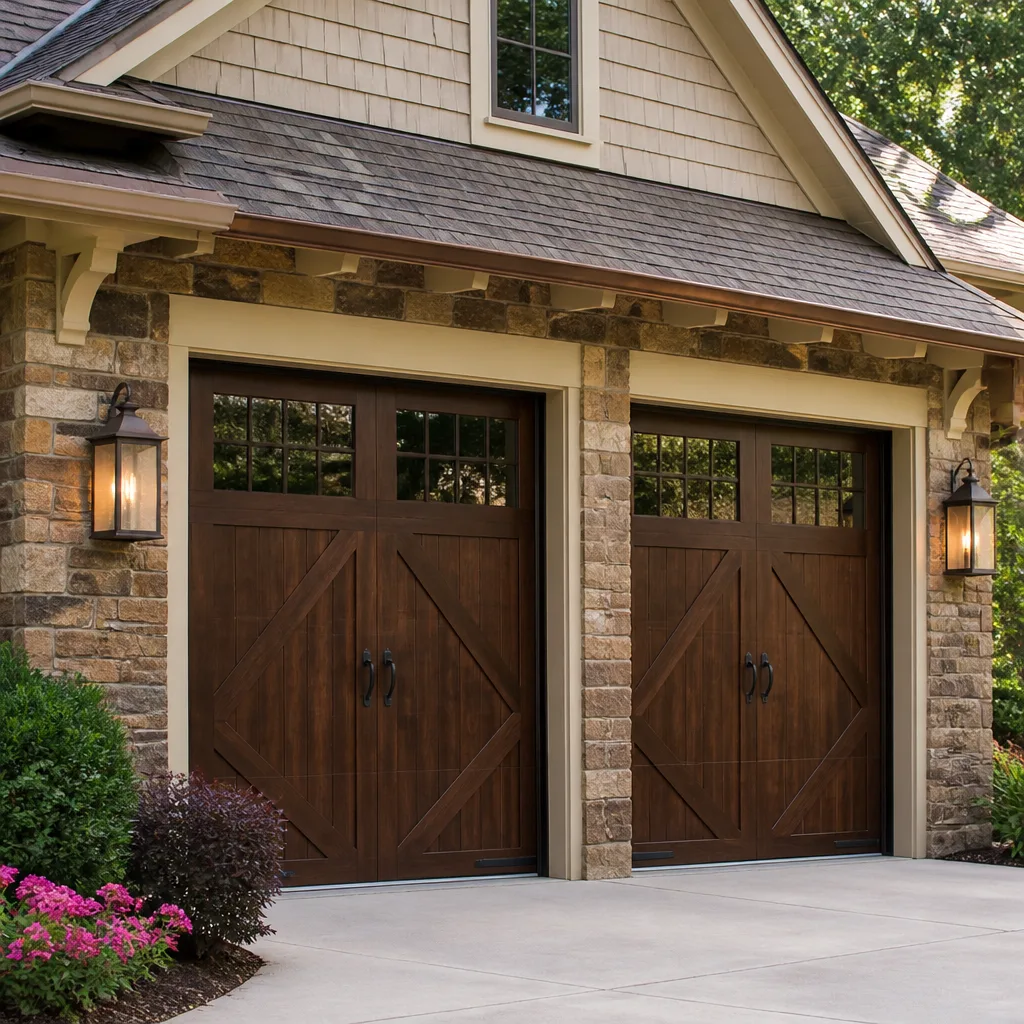 Carriage house
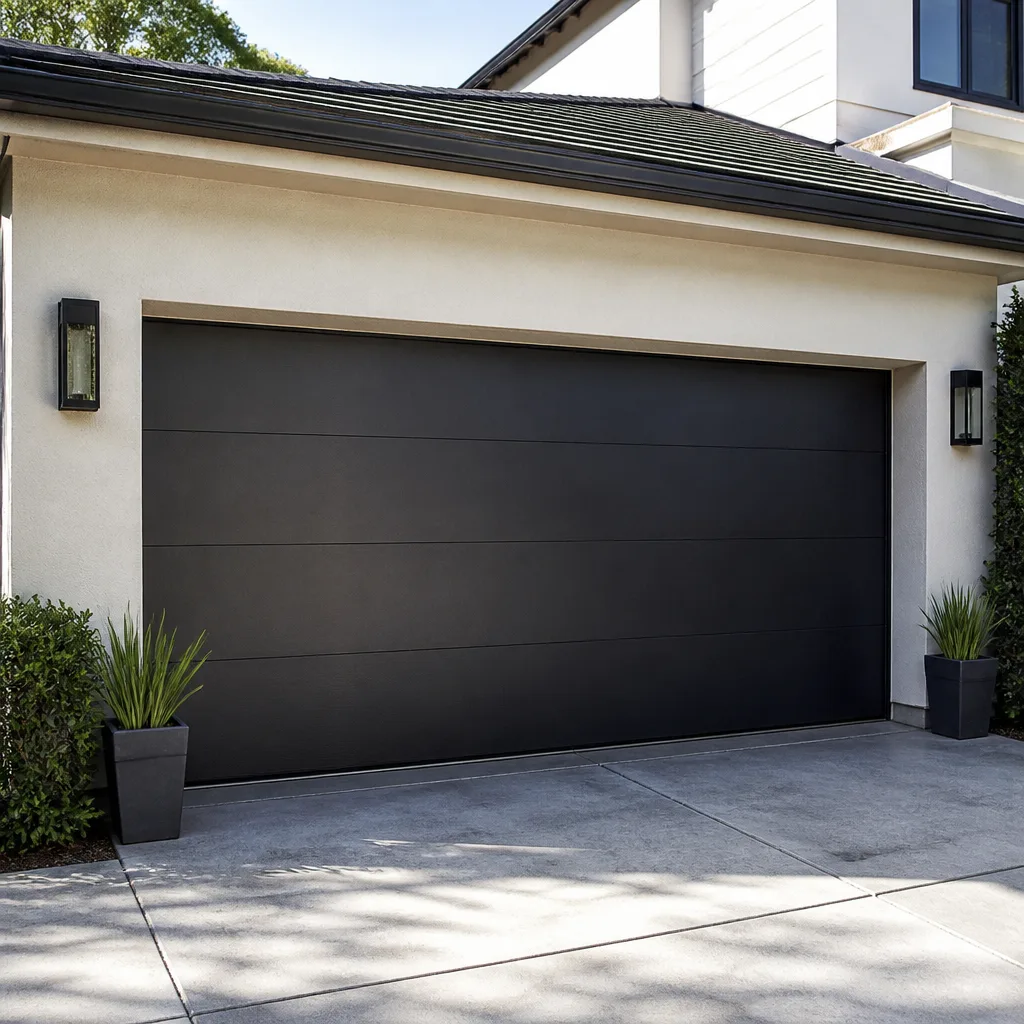 Modern flush
 Full-view glass
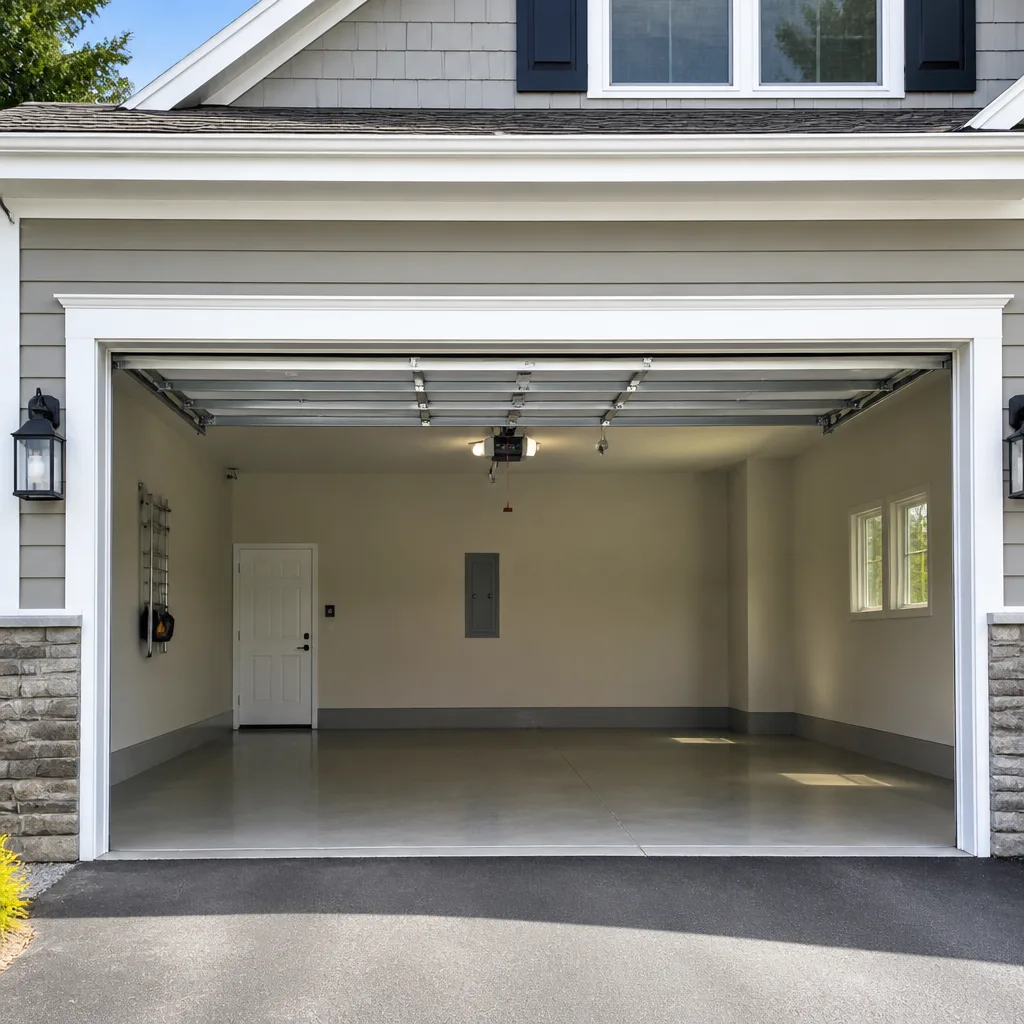 LiftMaster openers
 Chamberlain openers
Full 25-point door and opener safety check with every visit - springs, cables, rollers, tracks, and your LiftMaster or Chamberlain opener included
You get a price before we start. It does not change when the pro arrives.
Get your free estimateGarage Door Repair Maintenance Checklist for Aurora Homeowners
Most garage door failures we see in Aurora aren’t sudden. They’re the end of a slow decline nobody watched: a torsion spring losing tension over a year and a half, rollers flattening through a few hundred open-close cycles, or grease that looked fine in July and turned to paste in January. A door that’s quiet isn’t necessarily a door that’s healthy – it’s just a door that hasn’t failed yet. This guide is organized around timing, not just tasks, because the same checklist that ignores Aurora’s seasons is the one that lets problems build until they snap. Below we cover what to check, when to check it, and how to read the signs that tell you it’s time to call.
Quick Answer
A working maintenance routine for an Aurora garage door is a twice-a-year tune-up (spring and fall) plus a handful of monthly visual and listening checks. The fall check focuses on cold-weather lubrication and weather seal integrity; the spring check focuses on the frost heave season, track alignment, and hardware torque. Any sign of a failing spring, frayed cable, or the door going up crooked means it’s a repair call, not a maintenance task. Call (877) 492-4066 for a free estimate when something looks off.
Styles & brands we work with
- Raised-panel steel
- Carriage house
- Modern flush
- Full-view glass
- LiftMaster openers
- Chamberlain openers
Table of Contents
- Why Maintenance Should Be Timed to Aurora Seasons
- The Pre-Winter Lubrication Protocol
- The 10-Second Manual Release Test
- How to Read Spring Wear Without Touching the Spring
- Track Alignment Checks for Frost Heave Season
- Opener and Safety Sensor Checks
- A Printable Task-and-Date Log Format
- Common Maintenance Mistakes
Why Maintenance Should Be Timed to Aurora Seasons
A garage door in Aurora lives through real temperature swings. Summer rail temperatures get hot enough to thin lubricants, and winter nights drop well below freezing, sometimes below zero for stretches. Every 10-degree shift causes metal to expand or contract, and those cycles add up over thousands of open-close sequences. The components that fail first aren’t the ones you can see – they’re the springs, the cables, and the hinges that quietly work under tension all year. Timing your maintenance to match the seasons means you’re checking the right part at the right time, not just running down a generic list any month of the year.
Here’s how we think about the annual calendar:
- Late fall (October – November): Lubrication and weather seal checks before the freezing nights set in. This is when the wrong grease turns to wax and the right one keeps working.
- Winter (December – February): Listening for new sounds. Cold-stiffened parts reveal themselves first as squeaks and groans. Watch for ice at the bottom seal.
- Early spring (March – April): Frost heave season. Concrete moves, and the door frame geometry can shift with it. This is when track alignment needs the most attention.
- Late spring (May – June): Post-winter hardware torque check, since thermal cycling loosens bolts that looked tight in October.
If you only do two maintenance passes per year, make them fall and spring – the two transition seasons. If you’re already overdue, that’s fine. A maintenance visit today is worth more than a perfect log that hasn’t been touched in two years. Our technicians have up to 13 years of experience running exactly this sequence, and the seasonal timing is a big part of why.
The Pre-Winter Lubrication Protocol
Not all garage door lubricants handle Aurora winter the same way. Below around 10°F, several household products and general-purpose greases get thick enough to slow travel speed, bind rollers, or gum up the opener’s internal drive gear. The wrong lubricant can make a working door look like a failing one – sluggish, noisy, and hesitant. The right lubricant for our climate is one rated for a wide low-temperature range. White lithium grease is a common choice for hinges and bearings; silicone spray works well on tracks and weather seals. Avoid anything that shows signs of thickening at cold temperatures – a quick test is to check how a product feels after an hour in the freezer.
The pre-winter lubricant pass, done in late October or early November, follows this order:
- Wipe old lubricant off the tracks first. New grease over grit is worse than no grease.
- Apply silicone spray to the tracks along their full length – not too heavy, just a thin coat.
- Apply white lithium or a synthetic low-temp grease to each hinge pivot point, one small dab per hinge.
- Grease the roller stems, not the roller wheels themselves.
- Apply a small amount to the spring coils using the manufacturer’s recommended lubricant.
- Wipe away excess, then run the door up and down two or three times to distribute.
- Test the door in the coldest weather available within a couple of weeks – the sound tells you if the lubricant is holding up.
We work on the brands already in Aurora garages – Genie operators, Clopay and Amarr doors, Wayne Dalton hardware – and each manufacturer specifies its own lubrication intervals. If you’re not sure what’s safe for your specific system, ask when you call. Avoid spraying lubricant into the opener motor housing or onto the safety sensor lenses; both parts are damaged by grease.
The 10-Second Manual Release Test
The manual release – the red pull cord hanging from the opener trolley – is the safety valve of your entire system. It’s also the one piece of hardware most Aurora homeowners have never touched, which means it’s the one most likely to be stuck, jammed, or partially broken. The test itself takes about ten seconds and tells you whether the door will actually move by hand during a power outage, so you’re not trying to figure that out in the dark with a car stuck inside.
Here’s the test:
- Close the door all the way.
- Pull the release cord firmly, straight down. The trolley should disengage with an audible click.
- Lift the door about a foot with your hand. It should move smoothly and stay put when you let go at about a foot of travel.
- Lower the door back to closed.
- Re-engage the trolley by pulling the cord once more, then running the opener so the trolley reconnects. Return the release handle to its proper hanging position.
If the release won’t pull, if the door drops when you let go mid-lift, or if the door feels heavy in one direction and light in the other, stop. That’s not a maintenance task – something in the balance or the spring system needs attention from a trained technician. A door that won’t balance correctly is also a door that puts extra load on the opener, and that extra load shows up later as a worn gear or a burned-out motor.
We can rebuild or replace the manual release and the trolley assembly as part of any related garage door opener repair visit. You don’t need to know the model number – we work with the standard hardware across all eight major brands.
How to Read Spring Wear Without Touching the Spring
Torsion and extension springs are the highest-tension components in a garage door system. They’re also the most common failure point, and they’re the one part you should never inspect by hand. The good news is that you can read a spring’s health visually, from a safe distance, without touching it. The method technicians use most is called the gap method.
Here’s how it works:
- Stand back and look at the spring (or springs) running along the torsion bar above the door.
- Measure the length of the coils. A new spring has coils that sit tightly together with no visible gaps between them.
- Look for any visible gap between coils, especially toward the middle. Small gaps mean the spring has lost some tension. Large, uneven gaps mean it’s close to failure.
- Check for a visible stretch in the overall length. A spring that’s gotten longer than it should be has stretched beyond its intended working range.
- Listen for a single loud pop or bang, then check whether the door is still level. A separated spring is broken – stop operating the door and call a professional.
Extension springs run along the sides of the door above the tracks. Check that they aren’t visibly stretched, kinked, or showing rust through the powder coat. If you see any of those signs, don’t test them by pulling or loading them yourself. A tensioned spring that lets go can cause serious injury.
Springs also weaken in hotter months and lose tension faster. Our technicians have up to 13 years of experience reading spring wear and can usually tell you at a glance whether a spring is at the end of its life or still has years left. When in doubt, a scheduled garage door spring repair call is cheaper than emergency repair on a door that dropped on a car or a person.
Track Alignment Checks for Frost Heave Season
Frost heave is what happens when wet soil freezes, expands, and lifts the concrete slab above it. In the Aurora area, the ground typically freezes through December and January, and the heaving sets in hardest from late February into April as the thaw begins. That’s when the garage floor can shift slightly, and the door frame can go slightly out of plumb. A door that fit perfectly in November can suddenly rub on one side, catch on the bottom seal, or fail to close fully against the floor.
The track alignment check in March and April catches this before it turns into a repair. Here’s the sequence:
- Look at the gap between the door and each vertical track. It should be even on both sides. If one side has a visible gap and the other is tight, the track has shifted.
- Look down the length of each track from a crouched position. The track should be straight. Any visible bend – even a slight one – needs adjustment.
- Check that the brackets holding the tracks to the wall are tight. Loose brackets are a common early sign of settling.
- Run the door up and stop it halfway. Look at the horizontal tracks above. They should be parallel to each other.
- Run the door fully closed and check that the bottom seal sits flush against the floor across its full width.
If any of these checks show misalignment, don’t try to bend the track by hand – especially with the door raised. Tracks under load behave unpredictably, and a bent track can drop the door. Track realignment is part of our standard garage door repair service and is one of the most common maintenance fixes we make in Aurora each spring.
One Aurora-specific note: garages built on slabs near the Fox River and the older neighborhoods around downtown tend to see more frost heave movement than ones on well-drained higher ground. If your garage is on low, flat ground, budget a slightly closer look each March.
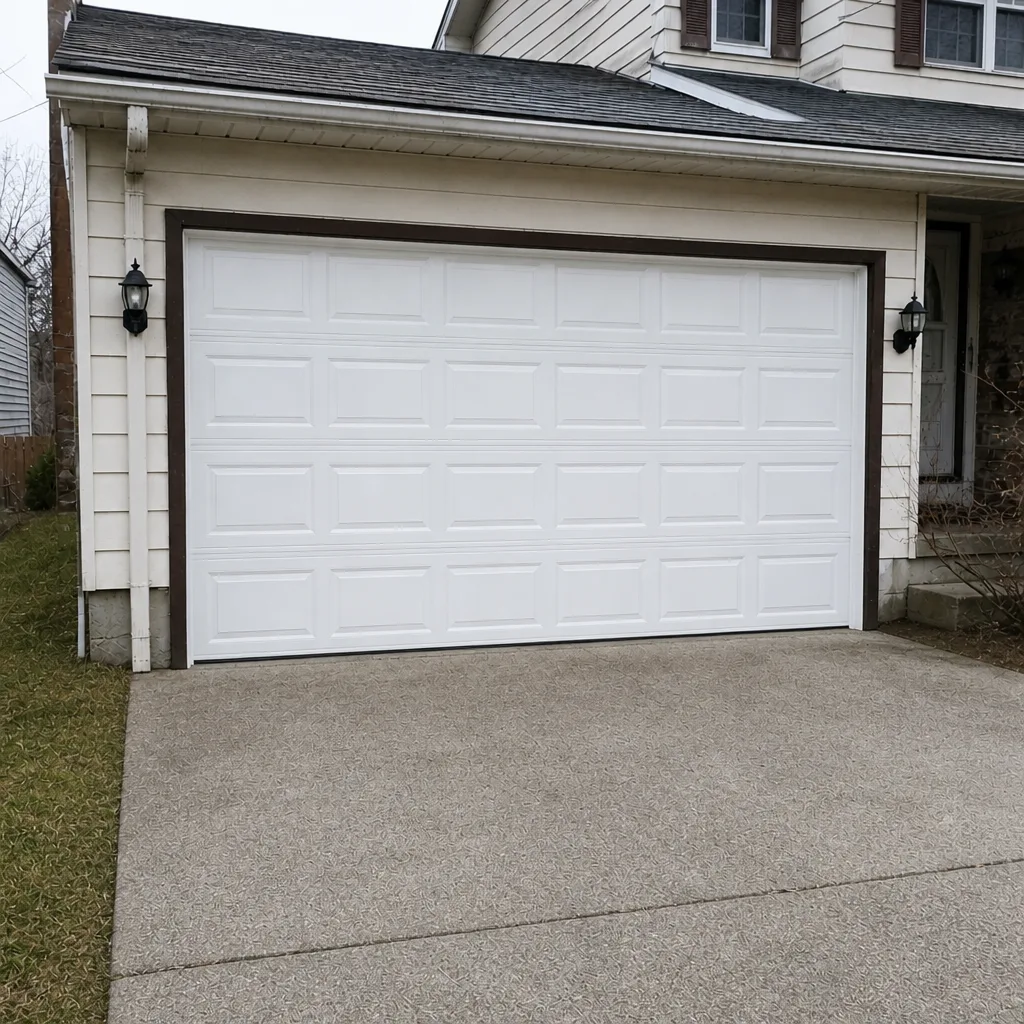
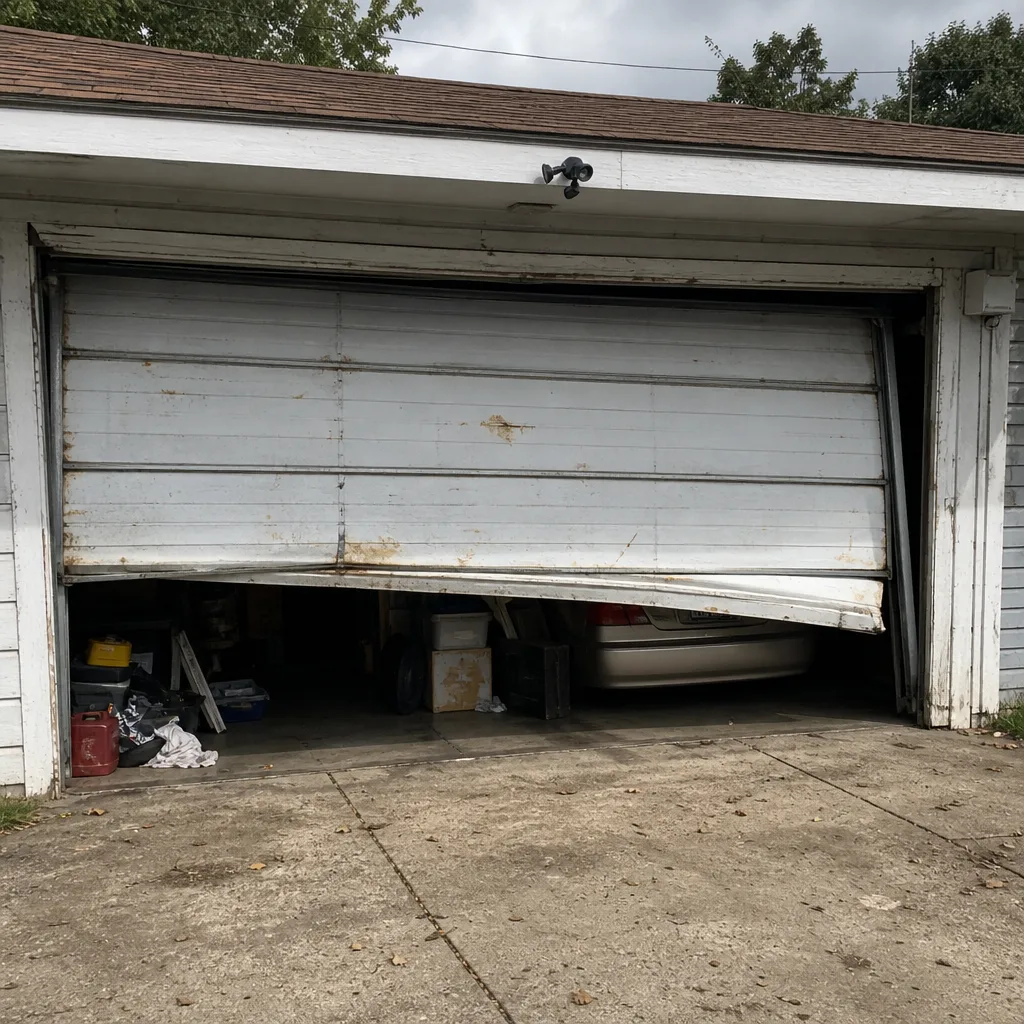
See the difference
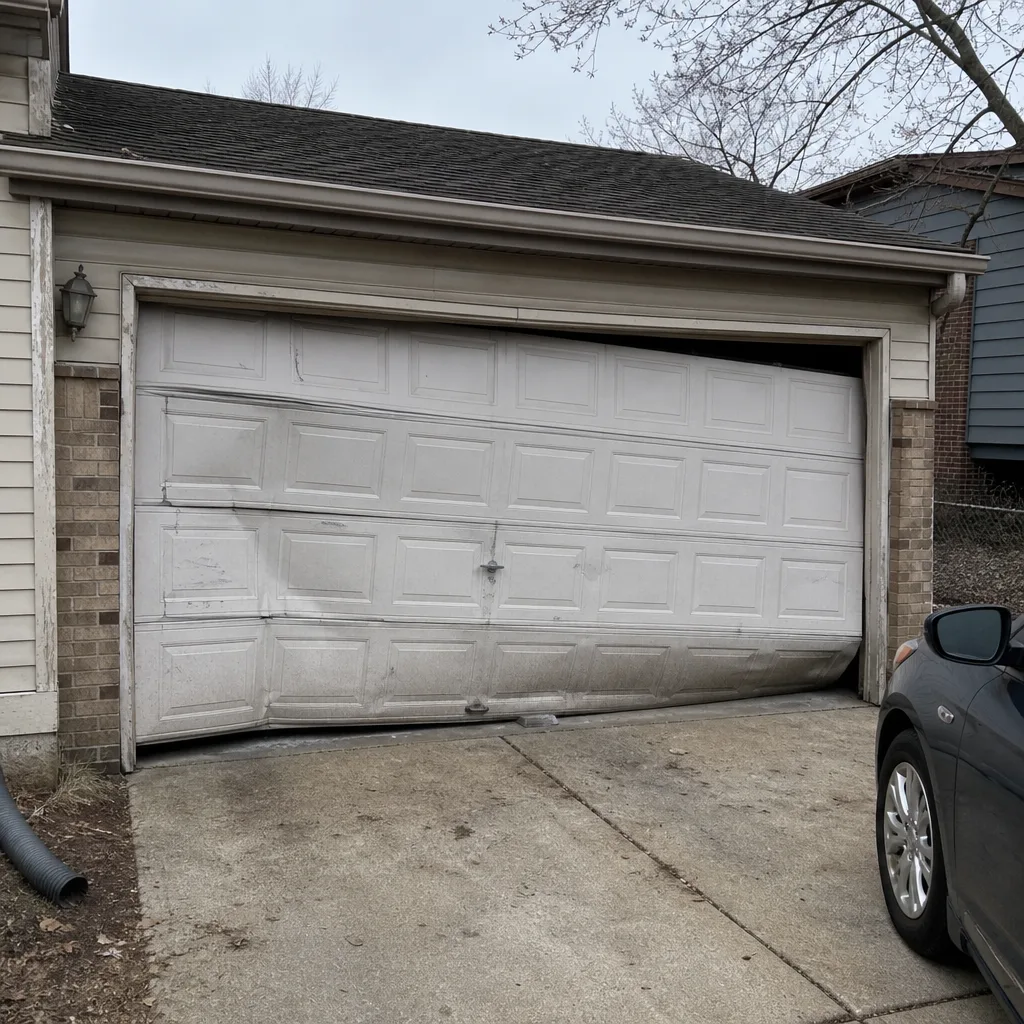 Before
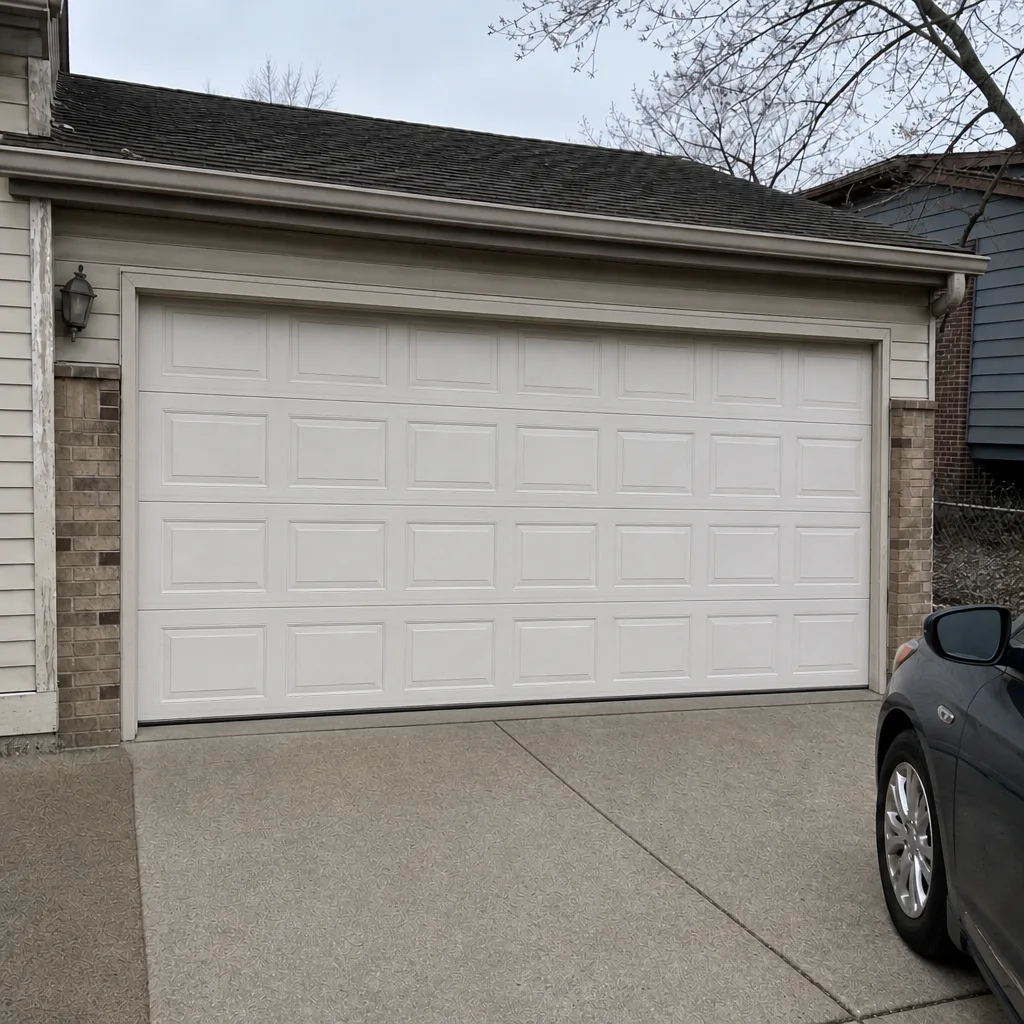 After
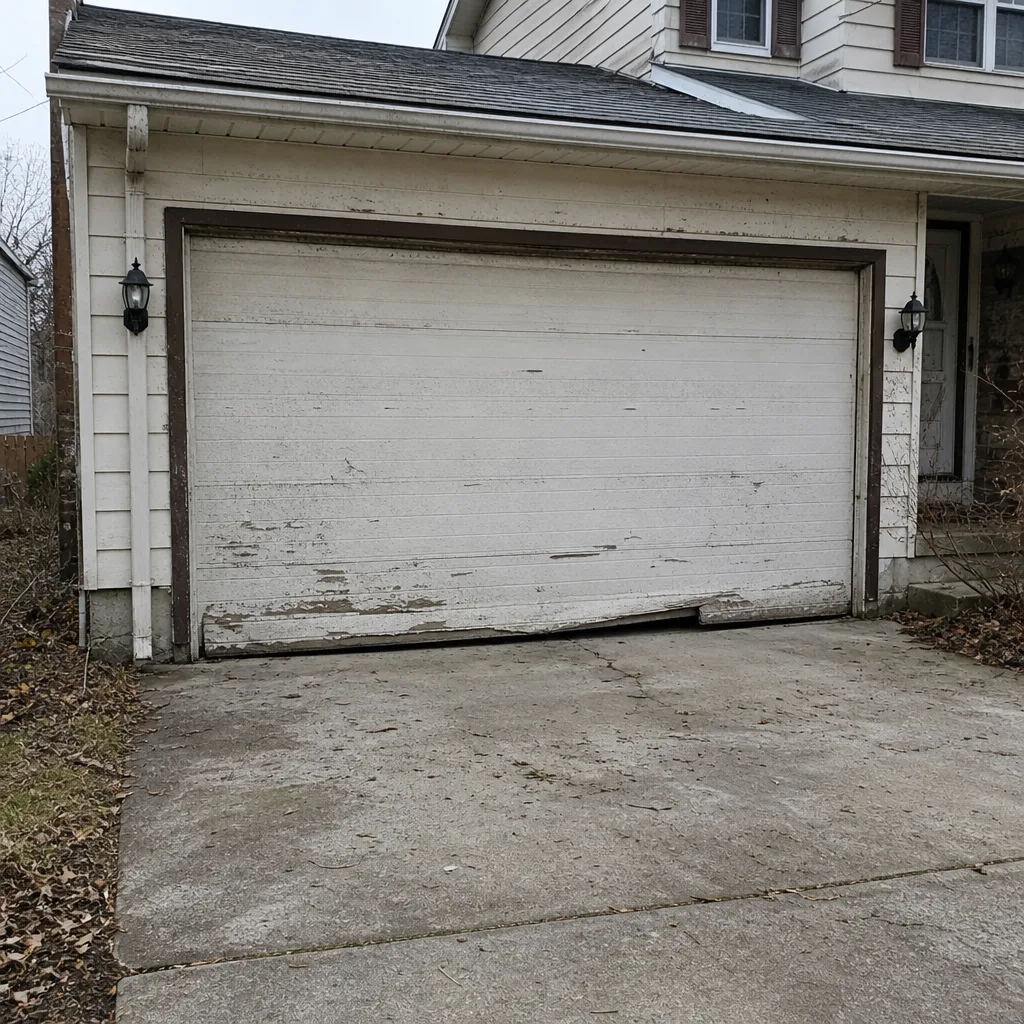 Before
 After
 Before
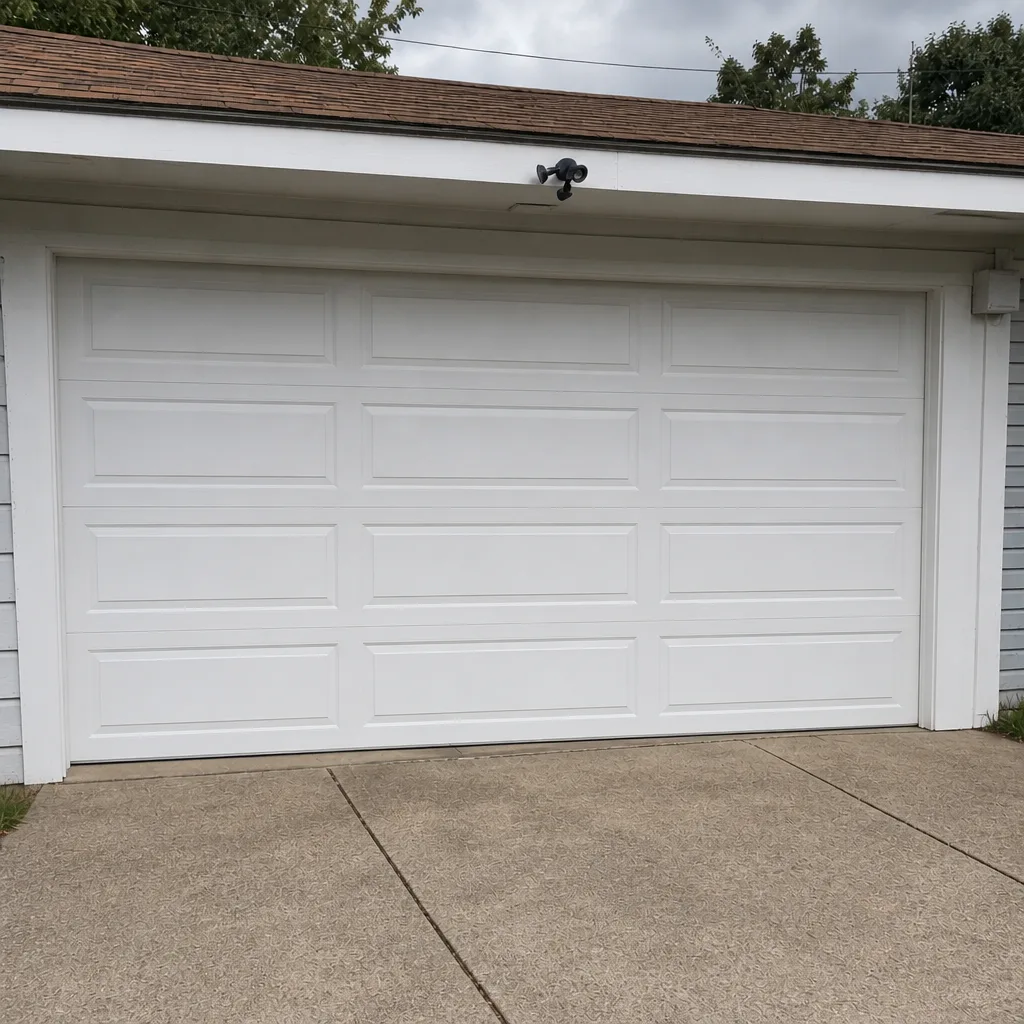 After
Opener and Safety Sensor Checks
The opener is the part most homeowners think of as the “garage door,” but it’s really the smallest share of the system. It does the lifting with help from the springs, and it does the stopping with help from the safety sensors. Both deserve a spot on the maintenance checklist.
For the opener, check monthly:
- Sound: A healthy opener hums. A grinding noise means a worn gear or chain. A clicking sound often means a capacitor or relay issue.
- Speed: If the door opens more slowly than it did a year ago, either the springs are losing tension or the opener is straining. Don’t ignore this.
- Force adjustment: Every opener has a force setting. Too high and the door won’t reverse on contact; too low and it reverses for no reason. A technician can verify the setting is within the manufacturer’s range.
- Battery backup: If your opener has a battery backup (many newer Chamberlains and Genies do), test it once a year by cutting power at the breaker and running the door once.
For the safety sensors, check monthly:
- Stand in the path of the door with the sensors on either side. Run the door down. It should reverse immediately.
- Wave an object (a broom handle works) between the sensors mid-travel. Same result – the door should reverse.
- Wipe the sensor lenses with a soft dry cloth. Dust and cobwebs are the most common cause of sensor faults.
- Check that both LEDs on the sensors are solid, not flashing. A flashing LED means the sensors are misaligned or the wiring is loose.
Safety sensor alignment is critical – a misaligned sensor means the door won’t close at all, and a bypassed or broken sensor is a genuine safety hazard. If your sensors won’t stay aligned, we can diagnose the wiring and replace the sensor unit as part of a standard garage door opener repair visit. Lifmaster and Genie systems make up most of what we see across Aurora, and the sensor check is nearly identical on both.
A Printable Task-and-Date Log Format
Maintenance history is one of the most useful things you can hand a technician when they arrive – it saves diagnostic time and helps spot patterns. A simple paper log taped inside the garage door frame works better than an app because it’s in front of you. Use this format:
- Date: When you did the check.
- Task performed: A short description – “lubricated hinges,” “adjusted travel limit,” “replaced bottom seal.”
- Observations: Any new sounds, slow spots, gaps between spring coils, alignment issues.
- Weather note: The outdoor temperature and recent weather if relevant. Cold snaps and thaws explain a lot of “sudden” problems.
- Technician (if applicable): Who did the work and what they found.
- Follow-up needed: Anything flagged for next visit.
Keep the log short – four or five entries per year is plenty. When a technician arrives with a written history, they can skip the guesswork about whether the springs are original, whether the opener has been reset, and how long the noise you’re hearing has been developing. It’s also useful when a homeowner sells – a maintenance record makes a stronger case than a verbal “it’s been fine.”
Common Mistakes to Avoid
- Lubricating the tracks with grease instead of silicone. Thick grease traps grit and turns into an abrasive paste that wears rollers faster. Use a thin silicone spray on the tracks and save the grease for hinges and bearings.
- Painting over the weather seal. Fresh paint on the bottom seal sticks to the floor and gets torn off. Tape the seal off before you paint the garage door in the fall.
- Ignoring a slow-reversing door in cold weather. When the door hesitates or reverses for no obvious reason during an Aurora cold snap, the springs have likely lost tension. A quick force adjustment on the opener masks the problem and stresses the opener further.
- Tightening every hinge and bracket in sight. Some hardware has specific torque settings, and over-tightening the spring anchor (especially on a torsion system) can crack the plate. Tighten hinges and track brackets only, and leave anchors alone.
- Skipping the frost heave check because “there’s no visible crack.” Concrete movement often happens below the surface before it’s visible. Track alignment is the better early indicator.
- Running the door after hearing a pop. If you hear a loud snap or the door suddenly feels much heavier, stop – a broken spring under load can let the door drop. Call for emergency service rather than testing it further.
- Assuming silence means health. Quiet doors are the ones most likely to fail without warning. The maintenance checklist exists to catch the slow decline while it’s still cheap to fix.
When to Call a Professional
Some maintenance checks are homeowner territory. Others aren’t. Call a professional if any of the following is true: a visible gap has appeared in a torsion spring; the door won’t move by hand when the manual release is pulled; the door is crooked or won’t close flush; you’ve heard a loud pop or snap; the opener strains, grinds, or slows down; the safety sensors won’t stay aligned; the cables look frayed or slack; or the door is older and you’ve never had it inspected. Springs and cables are the highest-risk parts in the system, and they aren’t DIY territory. Our technicians have up to 13 years of experience, and we’re trained on the brands most Aurora homes already have. Aurora Garage Door Repair Co offers free estimates in Aurora – call (877) 492-4066. We answer 24/7. Fast dispatch from 7am to 7pm, Sunday through Friday.
Frequently Asked Questions
Twice a year is the standard for Aurora homes – once in late fall before the freezing nights set in, and once in early spring during the frost heave season. That schedule catches lubrication problems before winter and alignment problems before they become repairs. In addition to the two tune-ups, do the manual release test and the safety sensor check monthly, since both take less than a minute.
Choose a lubricant rated for temperatures well below 10°F – silicone spray for tracks and weather seals, and white lithium or synthetic low-temp grease for hinges and bearings. Avoid general-purpose grease and any product that visibly thickens in the cold. When in doubt, test a small amount by leaving it in the freezer for an hour before applying.
Look for visible gaps between the coils of the spring, especially toward the middle. A healthy spring has coils that sit tightly together with no gaps. Gaps mean the spring has lost tension, and a large or uneven gap means it’s close to failure. Never try to test a spring by pulling or loading it yourself – call a technician if the visual check shows wear.
As soon as you notice a problem – don’t wait for a scheduled maintenance window. The best time is before the next cold snap or thaw, because both put stress on the same components. If you’re not sure whether something is urgent, call (877) 492-4066 and we’ll help you decide. We answer 24/7, and fast dispatch from 7am to 7pm Sunday through Friday keeps most repairs same-day for routine issues.
It can, especially in the March – April thaw. Garages on low, flat ground near the Fox River and in older downtown Aurora neighborhoods tend to see more movement than homes on higher, better-drained ground. A track alignment check each spring is the cheapest way to catch it before it turns into a repair.
If the door is showing repeated failures across multiple components – springs, cables, rollers, and opener all near the end of their lives – replacement is usually the better math. A single failed spring, cable, or track is almost always a repair. If the door is old, hard to balance, and gone through several fixes in a short stretch, talk to us about a full installation. We install Clopay, Amarr, and Wayne Dalton doors as part of the same service that repairs what you already have, so you’re not vetting multiple contractors.
The Bottom Line
Garage door failures in Aurora aren’t really sudden – they’re the visible end of a slow decline. A maintenance routine timed to our seasons catches that decline early: pre-winter lubrication, a 10-second manual release test each month, a visual spring check before cold snaps, and a track alignment pass during the March – April thaw. Keep a paper log, don’t skip the sensor check, and stop the moment you hear a pop or see a gap in a spring. Everything else on this list is something you can do yourself. Springs, cables, and openers aren’t. When in doubt, call a trained professional. Our technicians have up to 13 years of experience, and we handle repair, opener repair, spring repair, installation, and emergency service across Aurora. Call (877) 492-4066 for a free estimate. We answer 24/7, with fast dispatch from 7am to 7pm, Sunday through Friday.
If you’d rather have the whole system checked by people who work on it every day, Aurora Garage Door Repair Co takes the same call for a routine tune-up as for a full replacement – and there’s no charge for the estimate.
Written by the team at Aurora Garage Door Repair Co.